
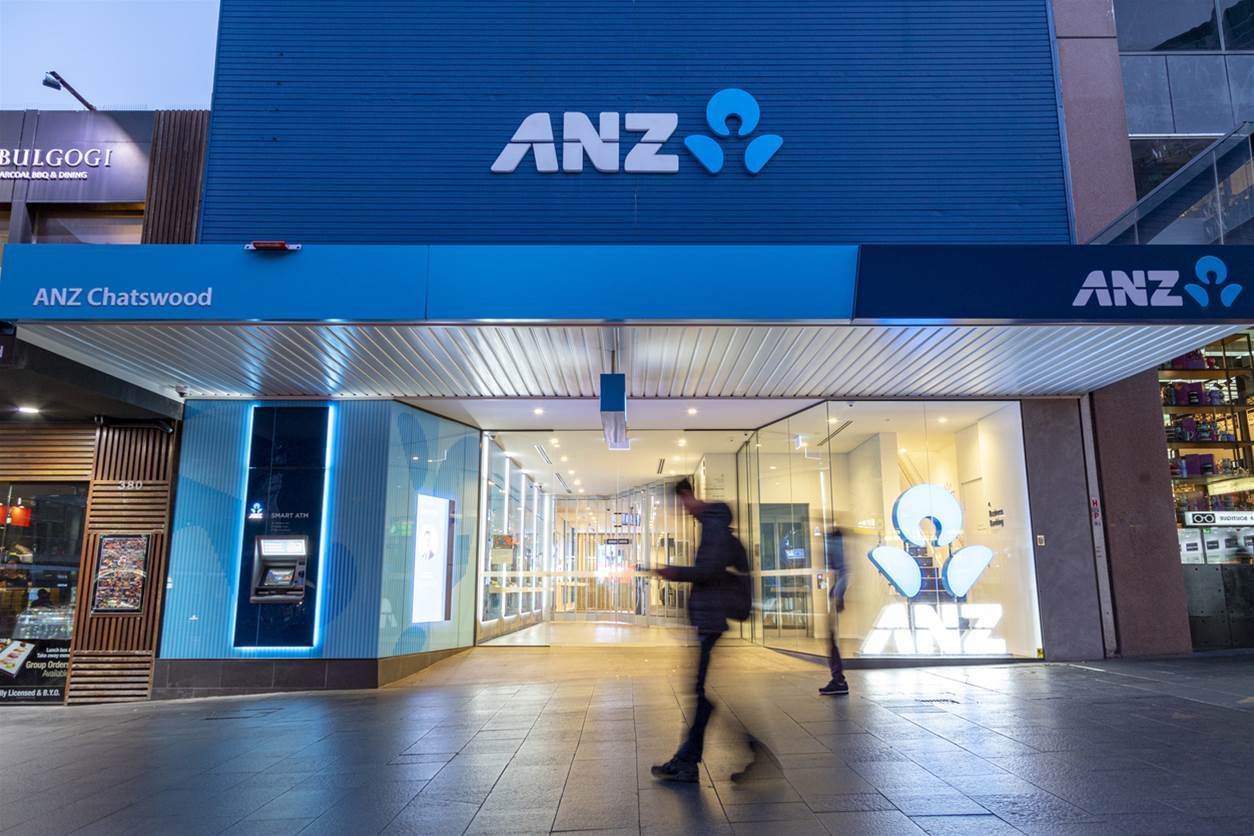
ANZ Bank in 2026: Profits Up, Strategy Shift, and What It Means for Borrowers
ANZ Bank started 2026 with a strong financial result but also significant internal changes and strategic shifts that have a...
Borrowing Capacity Calculator
Use our borrowing capacity calculator to estimate how much you can borrow in Australia. Plan smarter and secure the right home loan.
"*" indicates required fields
One of the first and most important steps in buying a home is to determine how much you can borrow. In the absence of this clarity, most buyers either overestimate their budget, resulting in applications being rejected, or underestimate it, and miss better property opportunities.
A borrowing capacity estimate gives you a realistic range based on your real financial situation – not assumptions. It helps you know what lenders will probably approve before you start shopping for a house or making offers.
Not sure what you might be able to borrow? A simple starting point is to multiply your gross annual income by 5 to 6.
Formula: Gross annual income × 5–6 = approximate borrowing limit
Example: $90,000 income → roughly $450,000–$540,000 borrowing power
This is an estimate only. Your actual limit depends on your expenses, debts, and the lender’s assessment.
Your borrowing capacity is really the maximum amount a lender will allow you to borrow based on your financial profile. This estimate is based on data that reflects real lending behaviour in Australia, not guesswork or general advice on property prices.
The borrowing estimate will help you to understand:
| Income | Monthly Expenses | Estimated Borrowing Power |
|---|---|---|
| $60,000/year | Low debt, low expenses | ~$300,000 – $400,000 |
| $100,000/year | Moderate expenses | ~$500,000 – $650,000 |
| $150,000/year | Existing loans | ~$700,000 – $900,000 |
These are simple examples – the actual amount you can borrow can vary greatly between lenders.
A borrowing capacity calculator helps you estimate how much you may be able to borrow based on your income, expenses, and financial commitments. FS Loan helps you understand your borrowing power and prepare for a stronger home loan application.
A borrowing calculator works by going through the process of how banks calculate your application. It does a full affordability check, as lenders do, rather than just looking at income.
It considers:
This provides a realistic sense of a lender’s approval capacity rather than a “theoretical” affordability.
Australian lenders don’t lend based on salary alone. Instead they use a structured assessment model to ensure you can afford the repayments even if interest rates go up or your expenses go up.
| Factor | What Lenders Check |
|---|---|
| Income | Salary, overtime, bonuses, rental income |
| Expenses | Rent, living costs, subscriptions, dependents |
| Existing debts | Credit cards, personal loans, car loans |
| Interest rates | Buffer rates higher than current market rates |
| Loan term | Usually 25–30 years repayment assumption |
Small financial changes can have a big impact on your borrowing capacity. Take, for example:
Often buyers make decisions on properties based on what they want vs what they can afford which can lead to declined applications or financial strain down the track.
That gives you structure and clarity around how much you can borrow.
It helps you to:
| Without Borrowing Estimate | With Borrowing Estimate |
|---|---|
| Guessing property prices | Targeted property search |
| Higher rejection risk | Better approval chances |
| Financial uncertainty | Clear repayment planning |
Think of it as your financial “approval limit” before entering the market.
Your borrowing capacity isn’t fixed – it can be enhanced with financial tweaks. Even small changes can have a big impact on how much you’re able to borrow.
Lenders view debt as decreased capacity to earn income.
| Debt Type | Impact on Borrowing |
|---|---|
| Credit cards | High impact due to limits |
| Personal loans | Moderate to high impact |
| Car loans | Moderate impact |
Closing unused credit cards can also boost your score.
Lenders will look closely at lifestyle spending.
This comprises:
Lower expenses = more borrowing power.
Bigger deposit reduces lender risk.
Benefits:
Lenders’ confidence is affected by your credit profile.
What lenders look at:
A clean credit record will greatly increase your chances of approval.
If you have a HECS-HELP debt, most lenders count your repayment obligations as an ongoing liability – reducing how much you can borrow.
As a rule of thumb, lenders typically apply a 3.8% repayment rate to your total HECS balance when calculating serviceability. For example, a $50,000 HECS debt could reduce your borrowing capacity by $50,000 or more.
2025 update: Some lenders have begun excluding HECS from serviceability assessments — ask your broker whether this applies to your situation.
Lenders have different policies.
| Lender Type | Borrowing Outcome |
|---|---|
| Big banks | Strict but stable |
| Specialist lenders | More flexible |
| Credit unions | Competitive for certain profiles |
Sometimes, comparing options can increase your lending capacity without changing your finances.
Lenders blend personal, financial and market-based factors when evaluating your loan eligibility.
Full time preferred
Casual or contract work might limit how much you can borrow
More documentation for self-employed income
More dependents = higher assumed living expenses = less borrowing capacity.
Late payments reduce eligibility
Defaults can severely limit borrowing options
Good history builds lender confidence
Lenders set buffer rates higher than the actual rates.
| Actual Rate | Assessment Rate Used |
|---|---|
| 6% | 8%–9% (buffered) |
You’ll still be able to make repayments if the rates go up.
The following properties are considered higher risk:
They can restrict the amount you can borrow or demand a larger deposit.
When you know your estimated borrowing capacity, you can move from planning to action with confidence.
With pre-approval, a lender gives you a conditional lending limit, enabling you to:
Now you’re not just looking at anything and everything, now you’re looking at properties that are in your realistic budget.
There are various loans that can impact your long-term financial status.
Consider:
The figure above is an estimate – and your actual borrowing limit could be significantly higher or lower depending on which lender you apply with.
Each lender uses its own benchmarks for living expenses, income buffers, and stress-test rates. The difference between the most conservative and most flexible lenders can be $50,000 to $100,000 on the same application.
A mortgage broker can compare your options across multiple lenders to find your best outcome.
A broker may:
It’s not just a number – your borrowing capacity is the foundation of your entire property strategy. It decides what you can buy, how comfortably you can pay it back and how lenders see your financial profile.
Knowing your borrowing power early on will mean you’re less uncertain, have realistic expectations and are stronger in the property market.
The best purchasers are not those who contract the most debt, but those who contract debt within a structured, well-planned financial range that supports long term stability.
Understand how borrowing capacity works and what lenders consider when calculating how much you can borrow for a home loan.
Borrowing capacity is the estimated amount a lender may allow you to borrow based on your income, expenses, debts, and financial profile. It helps you understand your property budget before applying for a home loan.
Lenders calculate borrowing power by reviewing your income, living expenses, existing debts, credit history, and current home loan interest rates in Australia. They also consider your employment type and financial commitments.
Yes, your credit score plays an important role. A strong credit history can improve your borrowing power, while missed payments or defaults may reduce the amount you can borrow or limit your loan options.
You can improve your borrowing power by reducing existing debts, lowering living expenses, increasing your deposit, maintaining a strong credit record, and comparing lenders for better home loan options in Australia.
Lenders assess your expenses to ensure you can comfortably manage repayments. They include everyday living costs, loan repayments, and financial commitments to avoid overborrowing.
Yes, getting pre-approval helps confirm your budget and strengthens your position when making offers. It shows sellers and agents that you are a serious buyer with defined borrowing capacity.
Your ideal home deserves a mortgage that aligns with your financial goals. Together, we can make it happen.
Looking for more tools to plan your finances? Explore our full suite of calculators designed to help you make smarter home loan decisions.
"*" indicates required fields
ANZ Bank started 2026 with a strong financial result but also significant internal changes and strategic shifts that have a...
Record levels of mortgage refinancing have been one of the biggest changes in the home loan market in 2026 in...
Buying your first home in Australia has always been dependent on two things: interest rates and lending rules. RBA rate...

Helping you find the right home loan with expert guidance and trusted support.