
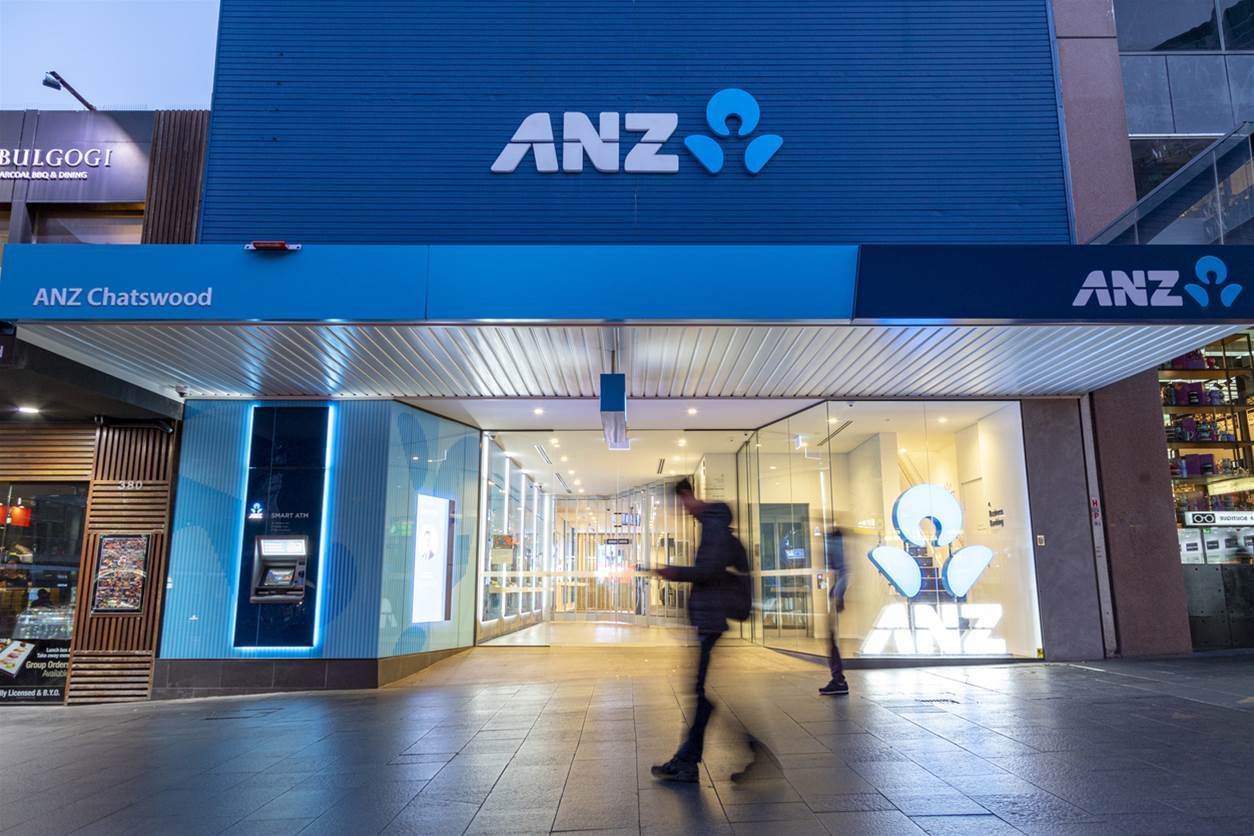
ANZ Bank in 2026: Profits Up, Strategy Shift, and What It Means for Borrowers
ANZ Bank started 2026 with a strong financial result but also significant internal changes and strategic shifts that have a...
LMI Calculator
Use our LMI calculator to estimate lenders mortgage insurance costs in Australia. Plan your deposit and reduce extra home loan expenses.
"*" indicates required fields
Lenders Mortgage Insurance (LMI) is a one-off insurance payment that’s required when a borrower applies for a home loan with a small deposit, generally where the Loan-to-Value Ratio (LVR) is greater than 80%. If the borrower defaults on the loan, it protects the lender, not the borrower.
The cost of LMI will vary greatly depending on your deposit amount, loan amount, lender policy, occupation and even the type of property. It is expressed as a percentage of the loan amount (not flat fee), so it can be anywhere from a few thousand dollars to tens of thousands of dollars.
Many borrowers in Australia are surprised at how quickly LMI increases as LVR rises, so it’s important to understand how it works before you apply for a home loan.
LMI is a type of insurance that protects the lender if you can’t repay your home loan. Usually it is required when:
Your deposit is under 20% of the property value
Your LTV ratio is above 80%
You are deemed higher risk due to credit or income profile
You should understand that LMI provides you (the borrower) with no protection. Instead, it allows lenders to offer loans with smaller deposits, because it reduces their financial risk.
An LMI calculator helps you estimate how much Lenders Mortgage Insurance you may need to pay when your deposit is below 20%. FS Loan helps you understand potential costs so you can plan your home purchase more effectively.
LMI costs can vary a lot depending on your LVR and loan size. The higher your LVR, the higher your LMI.
Here is a general breakdown of how LMI increases with LVR
(General guide only — actual costs vary by lender and policy)
| Loan-to-Value Ratio (LVR) | Deposit Size | Estimated LMI Cost (Approx.) |
|---|---|---|
| 80% or less | 20% deposit | $0 (No LMI) |
| 85% LVR | 15% deposit | $6,000 – $7,500 |
| 90% LVR | 10% deposit | $10,000 – $12,500 |
| 95% LVR | 5% deposit | High (can exceed $20,000–$30,000) |
For example, on a $600,000 property:
The exact premium varies between lenders and mortgage insurers, which is why quotes often differ for the same borrower profile.
LMI is not a fixed charge. It is calculated using multiple risk-based factors.
The most important factor. Higher LVR = higher risk = higher LMI.
Larger loans attract higher LMI premiums because the insured risk is greater.
Certain professionals (such as doctors, accountants, or engineers) may qualify for reduced or waived LMI due to lower default risk.
Some properties may increase risk:
A strong credit history can reduce risk and improve LMI pricing.
Here is a simplified comparison to show how LMI changes based on deposit size:
| Property Value | Deposit | LVR | Estimated LMI |
|---|---|---|---|
| $500,000 | 20% ($100,000) | 80% | $0 |
| $500,000 | 10% ($50,000) | 90% | ~$9,000–$15,000 |
| $500,000 | 5% ($25,000) | 95% | ~$18,000–$28,000 |
This example highlights why saving even a small additional deposit can significantly reduce upfront costs.
In Australia, stamp duty is also applied to LMI premiums depending on the state or territory where the property is located. This is an additional cost on top of LMI.
| State/Territory | Stamp Duty Rate on LMI |
|---|---|
| NSW | 9.0% |
| VIC | 10.0% |
| QLD | 9.0% |
| SA | 11.0% |
| WA | 10.0% |
| NT | 10.0% |
| TAS | 10.0% |
| ACT | 6% (historically applicable, now abolished in most cases) |
This means if your LMI premium is $10,000, additional stamp duty may add up to $1,100 depending on the state.
Yes, in certain cases borrowers can avoid LMI completely.
The most common method is saving at least a 20% deposit.
Some lenders waive LMI for low-risk professions such as:
A family member may use their property equity to help you avoid LMI.
Some lenders offer 85–90% LVR loans without LMI for eligible borrowers.
Certain professionals may be eligible for LMI waivers with select lenders – borrowing up to 90% LVR without paying LMI.
Eligible professions typically include:
Eligibility criteria and LVR thresholds vary by lender. Speak to a broker to find out which lenders offer profession-based waivers.
LMI exists to protect lenders when borrowers have less equity in a property. From a lender’s perspective, a low-deposit loan carries higher risk because:
LMI allows lenders to approve more loans while transferring risk to the insurer.
In most cases, LMI refunds are no longer available in Australia. Previously, some lenders offered partial refunds if loans were repaid early, but this practice has largely been discontinued.
Instead of refunds, lenders now:
This makes comparing lenders more important than ever.
Even if you cannot avoid LMI, there are ways to reduce it:
Small changes in your application can sometimes save thousands of dollars.
Lenders Mortgage Insurance is one of the biggest initial costs when purchasing a home with a low deposit. It lets borrowers enter the property market sooner, but it also makes the loan more expensive overall.
If you know how LMI is calculated, what affects it, and how you may be able to reduce or avoid it, you can make a big difference to your financial outcome. Buying your first home? Shopping around for the best mortgage, getting your finances in order and checking out waiver options can all help you avoid overpaying.
Understand how Lenders Mortgage Insurance is calculated and what factors affect how much you may need to pay.
LMI is an insurance fee charged by lenders when your deposit is less than 20%. It protects the lender, not the borrower, in case of loan default.
Borrowers who take out a home loan with a deposit under 20% usually have to pay LMI unless they qualify for an exemption or waiver.
Yes, you can avoid LMI by saving a 20% deposit, using a guarantor loan, or qualifying for certain lender waivers based on profession or criteria.
LMI is calculated based on your loan amount, deposit size, property value, and Loan-to-Value Ratio (LVR). Higher LVR usually means higher LMI costs.
Yes, LMI is typically a one-time upfront cost, although it is often added to your loan amount and repaid over time.
Indirectly, yes. While it doesn’t protect the borrower, it allows you to enter the property market sooner with a smaller deposit.
Your ideal home deserves a mortgage that aligns with your financial goals. Together, we can make it happen.
Looking for more tools to plan your finances? Explore our full suite of calculators designed to help you make smarter home loan decisions.
"*" indicates required fields
ANZ Bank started 2026 with a strong financial result but also significant internal changes and strategic shifts that have a...
Record levels of mortgage refinancing have been one of the biggest changes in the home loan market in 2026 in...
Buying your first home in Australia has always been dependent on two things: interest rates and lending rules. RBA rate...

Helping you find the right home loan with expert guidance and trusted support.