
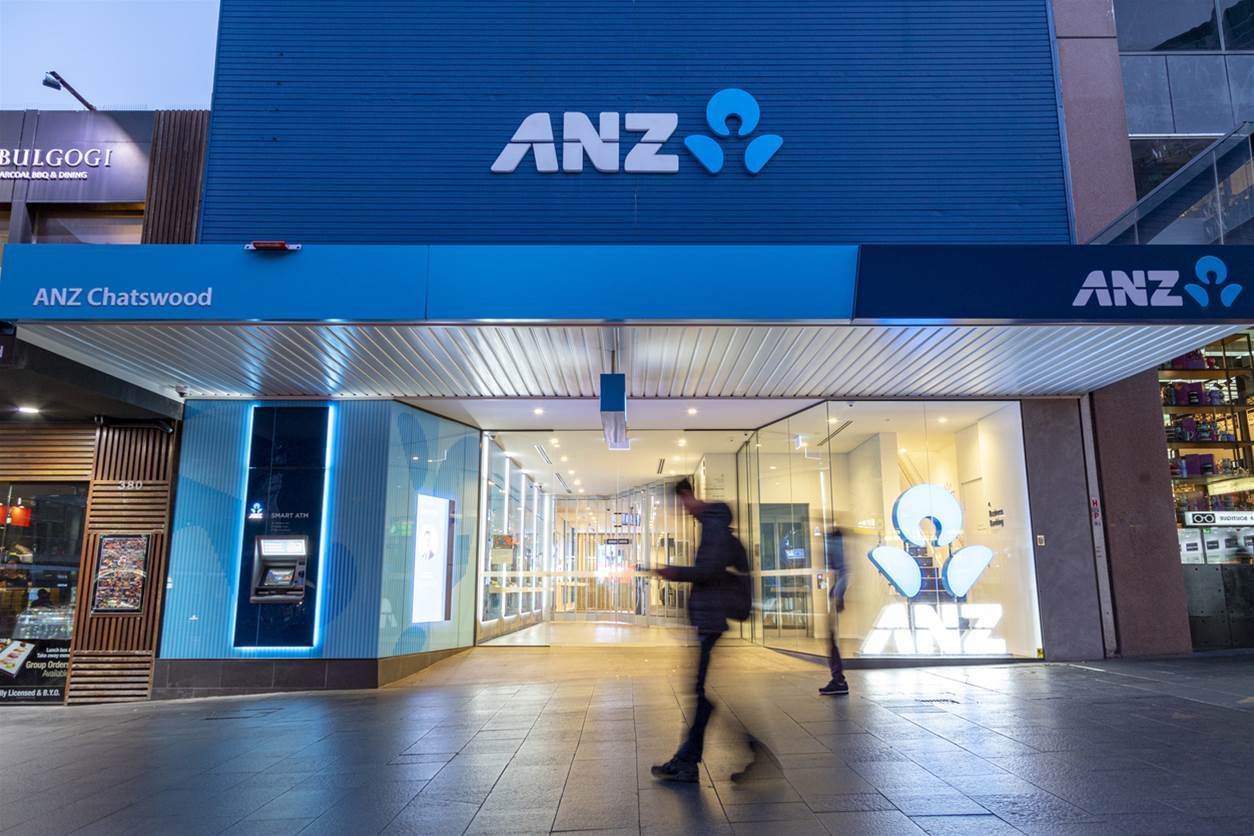
ANZ Bank in 2026: Profits Up, Strategy Shift, and What It Means for Borrowers
ANZ Bank started 2026 with a strong financial result but also significant internal changes and strategic shifts that have a...
Investment Home Buyer Guide
Learn how to invest in property with this investment home buyer guide. Discover strategies, financing options, and tips for building long-term wealth.
"*" indicates required fields
An investment property is real estate purchased with the intention of generating income or capital growth, rather than for personal living purposes.
This income may come from:
Investment properties can include houses, apartments, townhouses, and, in some cases, commercial properties.
Investment property loans are similar to standard home loans but may have different lending criteria depending on the lender.
Key features often include:
Lenders typically assess your ability to manage repayments even if the property is temporarily vacant.
When assessing an investment home loan application, lenders generally review:
These factors help determine borrowing capacity and overall loan risk.
In addition to the purchase price, investment properties may involve ongoing and upfront costs such as:
These costs should be considered when calculating overall affordability.
Investment decisions are often based on two main performance indicators:
A balanced investment strategy often considers both income stability and long-term growth potential.
| Location | Gross Yield |
|---|---|
| Sydney and Melbourne | typically 3% to 4% |
| Brisbane, Adelaide and Perth | typically 4% to 5% |
| Regional areas | typically 5% to 7%+ |
Example: A $600,000 property at 5% gross yield generates $30,000 per year in rent, or approximately $577 per week.
Use our Rental Yield Calculator to check your numbers.
Australian capital cities have averaged approximately 6% to 7% capital growth per annum over the long term. Past performance does not guarantee future results.
Investment home loans can help you purchase rental properties, grow your property portfolio, and create additional income opportunities over time. FS Loan helps you understand lender requirements, compare loan options, and make more informed investment decisions.
Positively geared: Your rental income exceeds your total property expenses. The surplus is added to your taxable income.
Negatively geared: Your expenses exceed your rental income. The net loss can be offset against your other income, reducing your overall tax bill.
Example: $80,000 salary with a $15,000 rental loss = $65,000 taxable income. At the 32.5% marginal rate, that is a tax saving of approximately $4,875 per year.
Use our Property Cash Flow Calculator to model your numbers.
Speak to a tax accountant about your specific situation before relying on a negative gearing strategy.
There are several common loan structures used for investment properties:
Each structure has different implications for cash flow and long-term costs.
Before purchasing an investment property, it is important to carefully evaluate:
A clear understanding of risks and responsibilities helps in making more stable investment decisions.
Investment property buyers generally have several options depending on their goals:
Each option has different benefits and trade-offs depending on financial goals and risk tolerance.
Understand how lenders assess investment property applications and what may improve your chances of approval before purchasing an investment property.
"*" indicates required fields
No. Investment properties are primarily focused on rental income and capital growth, while homes are for personal use.
It varies, but many lenders require around 10% to 20% of the property value, depending on the loan type and borrower profile.
Yes, lenders often consider expected rental income when assessing borrowing capacity.
Interest-only loans involve paying only interest for a period, while principal and interest loans reduce the loan balance over time.
Like all investments, property carries risks such as market fluctuations, vacancy periods, and interest rate changes.
It is optional, but many investors use property managers to handle tenants, maintenance, and rental collection.
Your ideal home deserves a mortgage that aligns with your financial goals. Together, we can make it happen.
Looking for more tools to plan your finances? Explore our full suite of calculators designed to help you make smarter home loan decisions.
"*" indicates required fields
ANZ Bank started 2026 with a strong financial result but also significant internal changes and strategic shifts that have a...
Record levels of mortgage refinancing have been one of the biggest changes in the home loan market in 2026 in...
Buying your first home in Australia has always been dependent on two things: interest rates and lending rules. RBA rate...

Helping you find the right home loan with expert guidance and trusted support.