
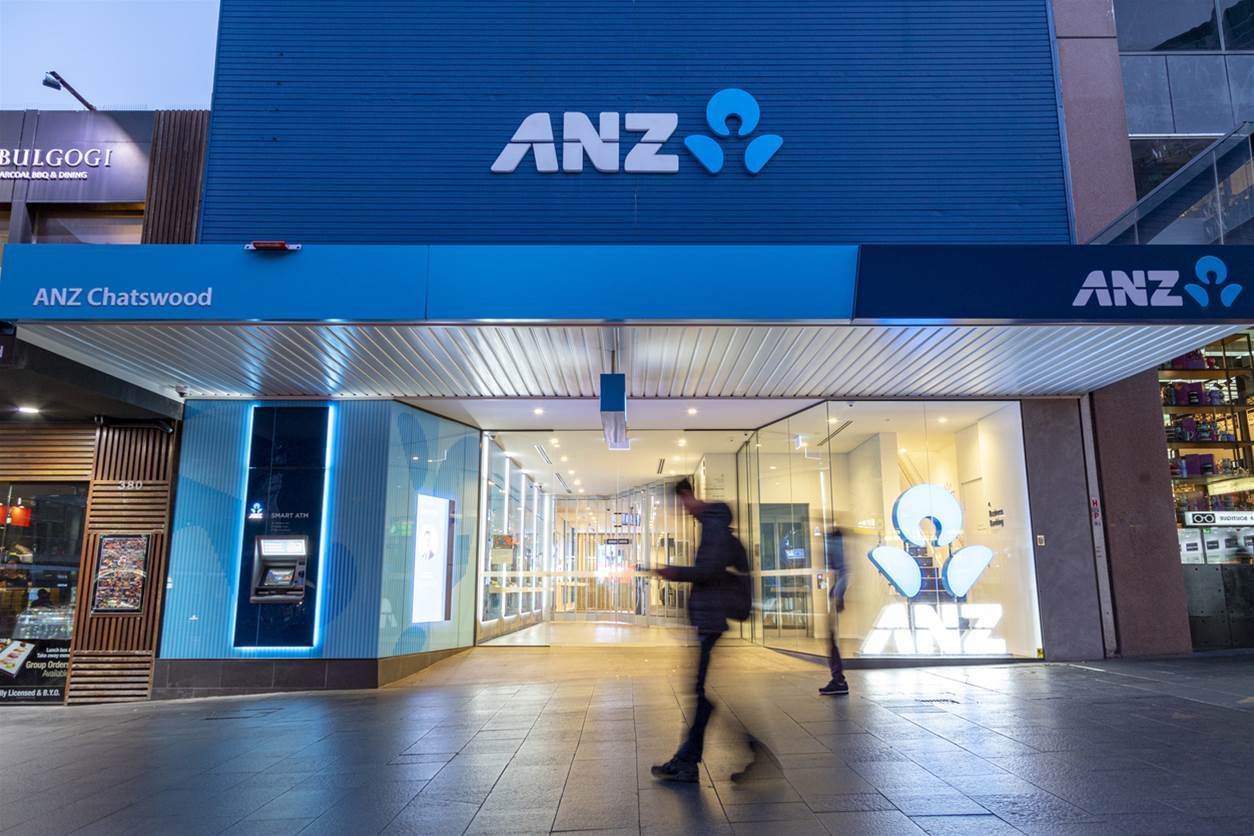
ANZ Bank in 2026: Profits Up, Strategy Shift, and What It Means for Borrowers
ANZ Bank started 2026 with a strong financial result but also significant internal changes and strategic shifts that have a...
Deposit Calculator
Use our deposit calculator to estimate how much you need to save for a home in Australia. Plan smarter and secure better home loan options.
"*" indicates required fields
Buying a property is not just about saving a deposit. You will need to work out the total upfront amount, which includes your home loan deposit, government charges, lender fees and other settlement costs.
This guide helps you understand how much you really need before buying a property, how lenders work out your borrowing capacity and how your final numbers are affected by factors such as state, property type and first-home buyer status.
The calculator is intended to estimate:
A deposit calculator helps you estimate how much savings you need based on your property price and loan requirements. FS Loan helps you understand your deposit position so you can plan your home purchase with more confidence.
It’s important to understand each input, because even minor changes can significantly affect your borrowing outcome.
This is the agreed purchase price or the valuation accepted by the lender. This is the benchmark for all calculations including LVR and deposit requirements.
This is how much you want to borrow. It is decided by:
Your deposit is the difference between the property value and the loan amount. Usually a larger deposit means:
Stamp duty rules differ between Australian states. For instance:
First home buyers could get help from:
Lenders view different types of properties differently:
The type of property can influence valuation risk:
Foreign buyers may have to deal with:
This is still your baseline number. This is the number everything is measured against.
This is the amount you’re approved to borrow after lender adjustments. The loan you applied for might be different because:
These are:
| Item | Estimated Amount |
|---|---|
| Property Price | $600,000 |
| Deposit | $100,000 |
| Stamp Duty | $22,000 (approx, varies by state) |
| Legal Fees | $1,500 |
| LMI (if applicable) | $5,800 |
| Other Fees | $1,200 |
| Total Upfront Cost | $30,500+ |
(Values vary based on state rules and lender policies)
This is your total liquid cash available for:
Lenders want:
Available funds ≥ Deposit + additional costs
One of the most important lending metrics is LVR.
It is calculated as:
Loan / Value of Property × 100
For example:
If you default, LMI protects the lender, not you.
When you usually pay LMI:
Stamp duty varies widely by state and property type.
Factors affecting stamp duty:
Example:
A $600,000 home in NSW could attract significantly more duty than the same home in another state with concessions.
5% Deposit Scenario
10% Deposit Scenario
20% Deposit Scenario
Many buyers think all you need is a deposit but in fact:
You also need to plan for:
And that’s why the total upfront cost is always more than just the deposit.
One of the biggest decisions for deposit savers: buy now with a smaller deposit, or wait and save more?
Buy now with 10% deposit:
Save longer for a 20% deposit:
There’s no universal right answer. A broker can help you weigh the numbers for your situation.
Most lenders require that at least part of your deposit comes from genuine savings – funds you’ve held in your own account for a minimum of 3 months.
The following typically do not qualify as genuine savings on their own:
If your deposit includes non-genuine funds, talk to a broker – some lenders are more flexible than others.
This calculator is for estimate only. Actual loan approval, fees and costs may vary based on lender policies, government regulations and individual financial circumstances. Always consult a professional financial advisor before making property decisions.
Understand how your deposit affects your home loan and what you need to prepare before applying for a property purchase.
A home loan deposit is the upfront amount you pay towards a property purchase. It is usually a percentage of the property price and reduces the amount you need to borrow.
Most lenders require between 5% and 20% of the property value. A 20% deposit is often preferred as it helps avoid Lenders Mortgage Insurance (LMI).
LVR stands for Loan-to-Value Ratio. It shows how much of the property price you are borrowing compared to your deposit. A lower LVR usually means better loan conditions.
Yes, many lenders allow 5% deposits, but you may need to pay LMI. Some government schemes or guarantor loans can also help reduce upfront deposit requirements.
You can boost your deposit by setting savings goals, reducing unnecessary spending, automating savings, and using eligible government first-home buyer schemes.
Yes, a larger deposit reduces lender risk, which can improve your chances of approval and may help you access better home loan interest rates in Australia.
Your ideal home deserves a mortgage that aligns with your financial goals. Together, we can make it happen.
Looking for more tools to plan your finances? Explore our full suite of calculators designed to help you make smarter home loan decisions.
"*" indicates required fields
ANZ Bank started 2026 with a strong financial result but also significant internal changes and strategic shifts that have a...
Record levels of mortgage refinancing have been one of the biggest changes in the home loan market in 2026 in...
Buying your first home in Australia has always been dependent on two things: interest rates and lending rules. RBA rate...

Helping you find the right home loan with expert guidance and trusted support.