
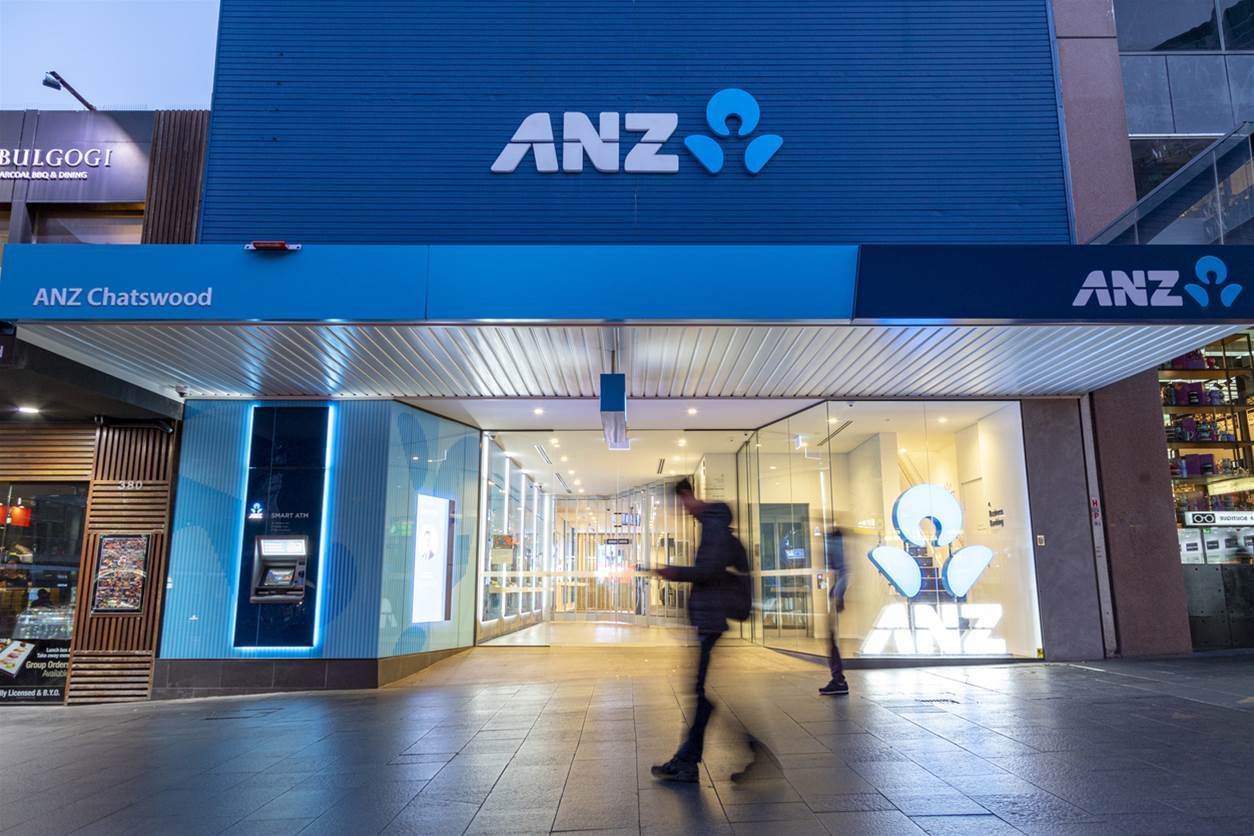
ANZ Bank in 2026: Profits Up, Strategy Shift, and What It Means for Borrowers
ANZ Bank started 2026 with a strong financial result but also significant internal changes and strategic shifts that have a...
First Time Home Buyer Loans
At FS Loan securing the perfect mortgage becomes effortless when you have experienced professionals guiding you every step of the way.
"*" indicates required fields
Normally, you will need a 5%–10% deposit.
| Type | Rate Range (p.a.) |
|---|---|
| Variable rates | approximately 5.8% to 6.5% p.a. |
| Fixed rates (2-year) | approximately 5.6% to 6.3% p.a. |
| Low deposit loans (LVR above 80%) | typically 0.1% to 0.3% p.a. higher than standard rates |
Borrowers with a 20% deposit and strong income profile generally access the most competitive rates. Your actual rate depends on your lender, deposit size, and financial profile.
Use our Borrowing Capacity Calculator:
Borrowing Capacity Calculator
You can get loans from major banks, smaller lenders, and non-bank lenders.
Different lenders have different policies—selecting the proper one is very important.
Can Be Stressful Especially When You Hear That You Need 20% Deposit.
It Will Take Most First-Time Buyers Years to Save That Much.
Actually, the truth is quite Different.
By using a smart strategy, getting government assistance, and choosing the right lender, many first home buyers manage to enter the market with very low deposits – sometimes as low as 5% or even with zero deposit.
This is not a different product at all— it is a regular home loan which is tailored to suit first home buyers.
What differentiates it is:
The main benefit of these loans is that they aim to eliminate the biggest obstacle: saving for a big deposit.
Most buyers believe they need a 20% deposit, but in reality, your deposit determines your options—not your eligibility.
| Deposit Size | LMI | What It Means |
|---|---|---|
| 0% | Waived | Requires a guarantor using property equity |
| 5% | Waived (via scheme) or applicable | Entry-level option for most buyers |
| 10% | Usually applicable | More lender options |
| 20% | Waived | Best rates and flexibility |
Important insight:
Your deposit size doesn’t just affect approval—it affects:
Your deposit is not the only upfront cost. Also budget for:
| Cost Type | Amount |
|---|---|
| Stamp duty | varies by state and property value |
| Legal and conveyancing fees | $1,500 to $3,000 |
| Building and pest inspection | $400 to $800 |
| Lender fees (application, valuation) | $300 to $700 |
| Moving costs | $500 to $2,000 |
As a rule of thumb, allow for an additional $5,000 to $10,000 above your deposit.
Buying your first home in Australia can feel overwhelming when you are trying to understand deposits, borrowing limits, lender requirements, and government support options. FS Loan helps simplify the process so you can move forward with more confidence and make smarter home loan decisions from the beginning.
Sure, and in fact, not having a deposit is more usual than people think.
There are basically two options:
Generally, a family member (typically parents) will use the equity in their home as security.
This way, you are able to:
Main risk to consider: The guarantor’s house can be used to repay your debts if you fail to pay your mortgage.
Side note: This is why proper structuring is essential.
Often, parents who cannot be a guarantor go for gifting the money.
Here is what lenders typically require:
Getting approved is just as important as picking the right home loan. Different loans come with varying levels of flexibility, security, and risk. Understanding your options allows you to choose a structure that fits your financial goals and lifestyle.
Here’s a quick overview of the most common home loan types and how they work:
| Loan Type | Key Features | Best For |
|---|---|---|
| Fixed Rate Loan | Fixed rate for a set period, predictable repayments, limited flexibility | Buyers looking for certainty and protection from rising rates |
| Variable Rate Loan | Changing interest rates over time, flexible repayments, and offset account options | Borrowers who want flexibility and might save money if rates fall |
| Split Loan | Mix of fixed and variable | Buyers looking for stability and flexibility |
| Low Deposit Loan | lets you buy with less than 20% deposit, usually requires LMI | First-Time Buyers Get In Early |
| Interest-Only Loan | Lower initial payments, pay interest only for a set period | Investors looking for cash flow in the short term |
| Guarantor Loan | A family member offers security to reduce the deposit requirement | Buyers with limited savings and a strong family safety net |
By far, one of the strongest ways to reduce interest is an offset account.
As an example:
You are charged interest only on $450,000.
This is capable of saving you tens of thousands of dollars in interest over time.
If you are earning overseas or planning to move abroad, this becomes critical.
| Currency | Acceptance | Risk Level |
|---|---|---|
| USD | High | Low |
| GBP | High | Low |
| AED | Medium-High | Medium |
| SGD | High | Low |
| PKR | Limited | High |
| INR | Limited | Medium-High |
Why this matters:
If your income drops 10% when converted to AUD, your borrowing capacity may drop significantly—even if your actual salary hasn’t changed.
This is one of the most overlooked risks for buyers with overseas income.
There have been increased restrictions on foreign property buyers.
Highlights:
You might need to:
Therefore, it will be very important to think through how you do your loan.
Having a foreign applicant, single or joint, will bring changes in:
Let’s say your spouse is a foreigner, but you are a citizen:
That’s the exact thing that makes a lot of first-home buyers stumble there.
If you reside abroad or you earn your income overseas:
What it means for you is that you are allowed to buy a property, and the profit you will get in the follow-up is, on the other hand, affected.
You can cut down your initial expense substantially through government intervention.
You should know the total costs when you purchase your home, even if you can put in a small deposit:
Note: If your loan is backed by a guarantor, several of these could be added to your loan instead of being paid at once.
Getting a student loan will not directly prevent you from purchasing a property, but it will certainly reduce your borrowing power.
Why?
Because the lenders count your loan repayments as part of your expenses, which in turn will reduce your serviceability.
In fact, even a relatively small HECS debt can result in a borrowing capacity reduction of tens of thousands.
If you are:
You might be required to get a Power of Attorney (POA).
With this, someone you trust is authorized to:
Otherwise:
Get to know your eligibility for:
You must have pre-approval if you want to move forward.
Otherwise:
Be cautious:
Examples:
You don’t actually need to save that 20% for your first home purchase.
Buying that first home can be all about knowing the right options and having the right structure set for your loan.
Guided by a professional, you could even:
Understand what lenders assess before approving a first home loan and learn how to prepare financially before entering the property market with more confidence.
"*" indicates required fields
You generally need a stable income, a deposit (usually 5%–20%), and a good credit history. Lenders also assess your expenses and borrowing capacity.
Yes, some schemes and lenders allow first home buyers to purchase with as little as a 5% deposit, though LMI may apply unless you qualify for exemptions.
Common support includes the First Home Owner Grant (FHOG), stamp duty concessions, and the Home Guarantee Scheme, depending on eligibility.
Pre-approval is a lender’s indication of how much you can borrow. It helps you set a budget and strengthens your position when making offers.
You should plan for deposit, stamp duty, LMI (if applicable), legal fees, and moving costs in addition to your loan repayments.
A mortgage broker compares multiple lenders and loan options, helping you find a more suitable deal and structure based on your financial situation.
Your ideal home deserves a mortgage that aligns with your financial goals. Together, we can make it happen.
Looking for more tools to plan your finances? Explore our full suite of calculators designed to help you make smarter home loan decisions.
"*" indicates required fields
ANZ Bank started 2026 with a strong financial result but also significant internal changes and strategic shifts that have a...
Record levels of mortgage refinancing have been one of the biggest changes in the home loan market in 2026 in...
Buying your first home in Australia has always been dependent on two things: interest rates and lending rules. RBA rate...

Helping you find the right home loan with expert guidance and trusted support.