
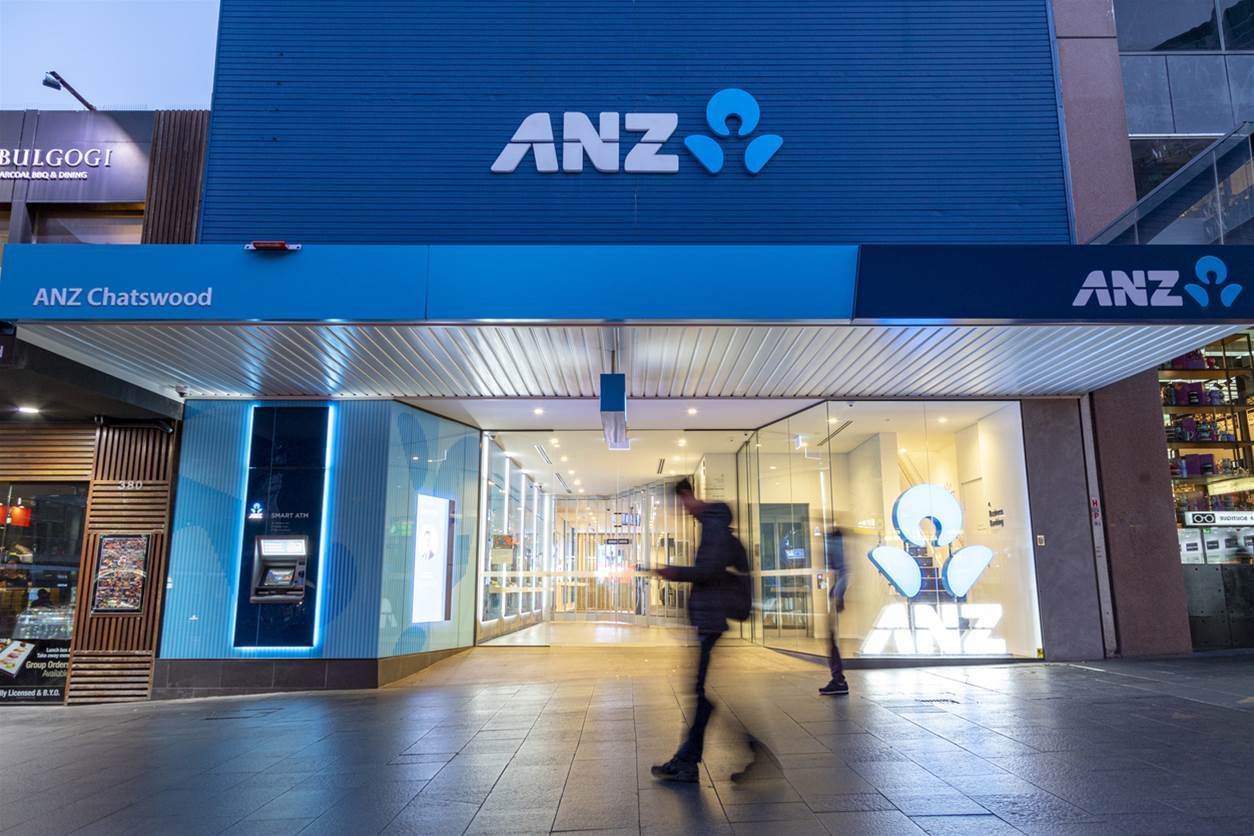
ANZ Bank in 2026: Profits Up, Strategy Shift, and What It Means for Borrowers
ANZ Bank started 2026 with a strong financial result but also significant internal changes and strategic shifts that have a...
Investment Home Loans
Explore investment home loans and property investment loan options. Learn about interest rates, deposits, and how to finance your next investment property.
"*" indicates required fields
An investment home loan is a mortgage used to purchase a property for income or capital growth rather than personal use. Lenders assess these loans more strictly than owner-occupied loans, typically applying higher interest rates, stricter serviceability criteria, and rental income shading (usually 70% to 80% of expected rental income).
Use our Rental Yield Calculator:
Rental Yield Calculator
An investment loan lets you borrow money to invest in things that make income or grow in value.
Traditionally, investment loans are for property. You can also use them to invest in:
Shares
Managed funds
Different types of investments
If you use an investment loan to buy property, the loan is secured against the property.
With an investment property loan, you can:
Invest in property in your country or abroad
Buy properties over time
Use borrowed money to grow your wealth
Earn income and get tax benefits
An investment loan works like a home loan but with stricter rules.
Key differences include:
Higher interest rates because lenders take on risk
Lower borrowing capacity compared to home loans
Detailed assessments of your income and expenses
When you take out an investment loan:
The lender looks at your situation
The property is used as security
Your rental income might be included in your application
Lenders usually only use 70–80% of your income when calculating how much you can borrow.
An investment loan can offer several benefits:
Leverage. You can control a more valuable asset with borrowed money
Capital growth. Your property might increase in value over time
Income. You get regular cash flow
Tax benefits. The interest on your loan and some expenses might be tax-deductible
Portfolio expansion. You can buy properties over time.
But these benefits depend on:
The loan structure
The property you choose
Market conditions
Rental yield benchmarks by location (2025):
| Location | Gross Yield |
|---|---|
| Sydney and Melbourne | typically 3% to 4% |
| Brisbane, Adelaide and Perth | typically 4% to 5% |
| Regional areas | typically 5% to 7%+ |
Example: A $600,000 property at 5% gross yield generates $30,000 per year in rent ($577 per week) before expenses.
Use our Property Cash Flow Calculator:
Property Cash Flow Calculator
Investment home loans can help you grow your wealth through property while creating long-term financial opportunities. FS Loan helps you understand your borrowing options, compare lenders, and choose a loan structure that better suits your investment goals.
Understanding the process helps you avoid delays and mistakes.
Before looking for a property:
Give your details to the lender
Get a clear idea of how much you can borrow
Make your position stronger when making offers
You’ll need to provide:
ID verification
Income proof
Details of your existing debts
Asset details
Submit your application, including:
Financials
Property details
The lender checks:
The market value of the property
The risk level
If the property is suitable as security
The lender reviews:
Your income stability
Your expenses
Your debt levels
You might need to:
Provide documents
Meet specific conditions
Review:
The interest rate
Fees
Loan terms
The funds are transferred, and ownership is transferred.
Investment loans are harder to qualify for than home loans.
Basic requirements include:
5–10% deposit (is preferred)
Strong credit history
Stable employment or consistent income
Manageable existing debts
Lenders also expect:
If borrowing above 90%, you might need existing property equity
Higher scrutiny on your living expenses
Stronger financial buffers
If you earn income abroad or plan to invest while living overseas, this is important.
| Currency | Acceptance | Risk Level |
|---|---|---|
| USD | High | Low |
| GBP | High | Low |
| SGD | High | Low |
| AED | Medium-High | Medium |
| PKR | Limited | High |
| INR | Limited | Medium-High |
Lenders assess currency stability. Volatile currencies reduce your borrowing capacity.
Even if your income is stable, exchange rates can affect your loan. For example, if your income drops 10% when converted to AUD, your borrowing capacity might reduce significantly.
Recent regulations have increased scrutiny on foreign property buyers.
Key points:
Australian citizens are generally not affected
Non-residents might face restrictions or temporary bans
Additional approvals might be required
If you are living overseas, investing from abroad, or applying with a partner, your loan structure must be carefully planned.
If one applicant is not an Australian citizen or permanent resident:
The property might be classified as a purchase
Additional government approvals might be required
Extra costs or restrictions might apply
Investment property loans often come with tax considerations.
Potential benefits:
Interest on the loan might be tax-deductible
Property expenses might be claimable
However, for non-residents:
Rental income might be taxed from the first dollar
Higher tax rates might apply
Capital gains tax rules might differ
Standard investment property loans
Borrow up to 95% in some cases
For offices, warehouses, retail
Higher rates and stricter terms
Purchase property through a fund
Typically limited to 70% LVR
For self-employed borrowers
Require documentation
Higher interest rates
Investment loan rates vary based on:
Loan type
Deposit size
Risk profile
Investment rates are higher than owner-occupied rates. Fixed rates provide certainty while variable rates offer flexibility.
| Deposit | Property Price | Deposit Amount | Loan Amount | LMI | Approx Repayment |
|---|---|---|---|---|---|
| 3% | $500,000 | $15,000 | $485,000 | Yes | $3,191/mo |
| 5% | $500,000 | $25,000 | $475,000 | Yes | $3,125/mo |
| 10% | $500,000 | $50,000 | $450,000 | Yes | $2,961/mo |
| 15% | $500,000 | $75,000 | $425,000 | Case-by-case | $2,796/mo |
| 20% | $500,000 | $100,000 | $400,000 | No | $2,632/mo |
Lower deposits increase loan cost, LMI, and risk exposure. Repayments calculated at 6.89% p.a. variable, 30-year term, P&I.
Many investors underestimate costs.
Key expenses include:
Lenders Mortgage Insurance
Stamp duty
Fees
Property management fees
Maintenance costs
Failing to account for these can significantly reduce returns.
If you are overseas or unable to attend the settlement, you might need a Power of Attorney.
This allows someone to:
Sign documents
Finalise the transaction
Without it, delays are common, and transactions might fall through.
Focusing on interest rates
Ignoring the loan structure
Underestimating costs
Not planning for vacancies
Overestimating income
A good plan for investing in property is not about purchasing a property. It’s about getting your loan set up properly, from the beginning.
With an approach, you can:
Get the most out of how much you can borrow
Lower your expenses
Create a property portfolio that can grow
Understand how lenders assess investment property applications and learn what can improve your borrowing potential before applying for an investment home loan.
"*" indicates required fields
An investment home loan is designed for purchasing property intended to generate rental income or capital growth rather than for personal use.
Most lenders require at least 5%–10%, but a 20% deposit helps avoid Lenders Mortgage Insurance (LMI).
Yes, investment loans often have slightly higher interest rates compared to owner-occupied home loans due to increased risk.
Negative gearing occurs when your property expenses exceed rental income, and the loss may be used to reduce taxable income.
Yes, many investors use equity from an existing property as a deposit for additional investments.
It depends on your strategy. Interest-only lowers short-term costs, while principal and interest builds equity faster.
Your ideal home deserves a mortgage that aligns with your financial goals. Together, we can make it happen.
Looking for more tools to plan your finances? Explore our full suite of calculators designed to help you make smarter home loan decisions.
"*" indicates required fields
ANZ Bank started 2026 with a strong financial result but also significant internal changes and strategic shifts that have a...
Record levels of mortgage refinancing have been one of the biggest changes in the home loan market in 2026 in...
Buying your first home in Australia has always been dependent on two things: interest rates and lending rules. RBA rate...

Helping you find the right home loan with expert guidance and trusted support.