
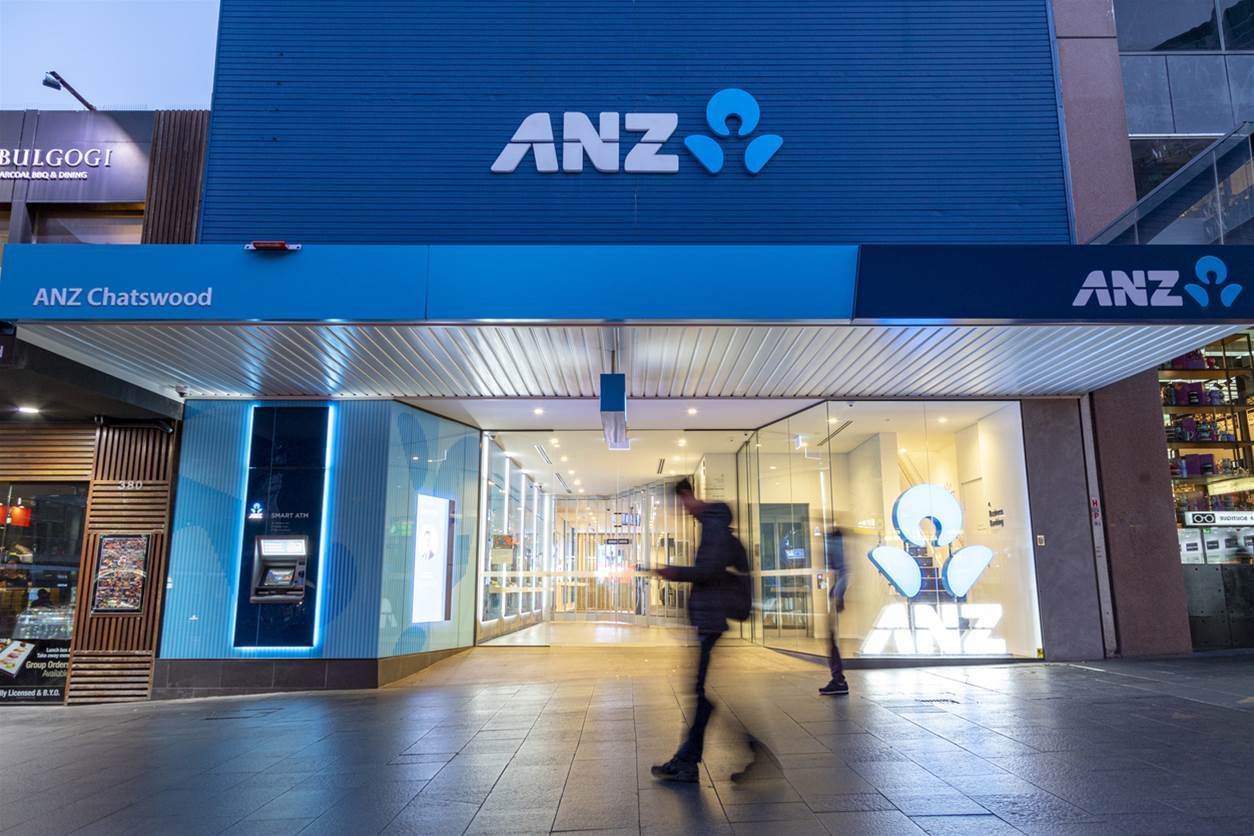
ANZ Bank in 2026: Profits Up, Strategy Shift, and What It Means for Borrowers
ANZ Bank started 2026 with a strong financial result but also significant internal changes and strategic shifts that have a...
LVR Calculator
Use our LVR calculator to check your loan-to-value ratio in Australia. Understand borrowing risk, costs, and home loan eligibility easily.
"*" indicates required fields
The Loan to Value Ratio (LVR) is an important lending measure that compares the size of your home loan to the value of the property you are buying. It’s a number expressed as a percentage that lenders use to assess the risk of the loan.
Simply put, your LVR tells you how much of the property you are borrowing, versus how much you actually own from the outset.
A high LVR means you are borrowing more against the value of the property. A low LVR means you have more equity and less risk from the lender’s perspective.
LVR is an important measure for lenders because it directly measures their level of exposure to a fall in property prices or to a borrower defaulting.
Lenders use LVR as a measure of risk. The logic is simple:
Lenders usually require Lenders Mortgage Insurance (LMI) if the LVR is over 80%. Not to protect the borrower, but to protect the lender if default happens.
If the property is sold for less than the loan amount, LMI helps cover the shortfall if the borrower defaults.
Small adjustments to your LVR can have a big impact on your interest rate and borrowing costs.
Lenders often have hidden pricing tiers, for instance:
Mortgage brokers are often looking for these small thresholds to reduce costs.
Senior mortgage broker Vivienne Than says lenders might change rates for small changes in LVR:
A borrower at 89.1% LVR could end up with a higher interest rate than someone at 89%, even if the difference is only 0.1%.
This is because lenders do not give every percentage equal weight, but instead group borrowers into risk bands.
An LVR (Loan-to-Value Ratio) calculator helps you understand how much of your property value is being financed by a loan compared to your deposit. FS Loan helps you assess your LVR so you can better understand lender requirements and improve your approval chances.
Even a slight improvement in LVR can reduce both:
| Property Value | LVR | LMI Cost |
|---|---|---|
| $1,000,000 | 90.10% | $32,408 |
| $1,000,000 | 88.99% | $22,725 |
A difference of just over 1% LVR can save nearly $10,000 in LMI fees
This is why brokers often recommend increasing deposit slightly or adjusting loan structure.
LVR is calculated using a simple formula:
LVR = (Loan Amount ÷ Property Value) × 100
This formula converts your loan into a percentage of the property’s value.
If you borrow $900,000 to purchase a $1,000,000 property:
LVR = (900,000 ÷ 1,000,000) × 100 = 90%
So your LVR is 90%, meaning you are borrowing most of the property value and contributing a smaller deposit.
LVR is more than just a number. It affects:
Lenders use tiered pricing systems based on LVR bands.
| LVR Range | Deposit Size | Interest Rate Impact |
|---|---|---|
| Below 60% | 40%+ deposit | Lowest available rates, strong negotiating position with lenders |
| 60%–80% | 20%–40% deposit | Standard rates, no LMI required |
| 80%–90% | 10%–20% deposit | Rate loading of 0.1%–0.3% p.a. above standard + LMI required |
| 90%–95% | 5%–10% deposit | Highest rate loading + high LMI cost + stricter lender criteria |
Even a small increase in LVR can push a borrower into a higher pricing tier. For example, borrowing at 81% LVR instead of 80% triggers both LMI and a rate loading – costing thousands more over the life of the loan.
It’s not just LMI you need to factor in. Many lenders also apply an interest rate loading on loans above 80% LVR – typically an additional 0.1% to 0.3% per annum on top of their standard rate.
This means a high-LVR loan can cost more in two ways: a large upfront LMI premium, plus a higher ongoing interest rate. A broker can help you find lenders with the most competitive rates at your LVR.
LVR also decides whether your loan is approved or not.
If your LVR is too high, lenders may:
Ideal LVR is ≤ 80%.
This range is seen as safe for lenders and cost-effective for borrowers.
A low LVR (≤80%) means you own more of the property straight away.
Summary:
Lower LVR means lower cost and lower risk.
A high LVR (>80%) means you are borrowing most of the property value.
High LVR loans are a risk to both lender and borrower.
If property prices fall, borrowers with high LVRs could owe more than their property is worth — this is known as negative equity.
Lower LVR results in better loan performance and lower costs.
The most direct way to reduce your LVR is to save a larger deposit.
Family members can use property as security.
The government offers support for first-home buyers.
Certain professions may be eligible for LMI waivers.
Typical examples:
These borrowers are often viewed as lower risk due to stable income profiles.
Loan-to-Value Ratio (LVR) is one of the most important factors in home lending. It can impact everything from your approval chances to your interest rate and additional costs like LMI.
A lower LVR typically means:
At FS Loan, we help borrowers structure their loans for the best possible LVR position with competitive lenders and flexible lending strategies.
Call +123 456 7891 or submit an online enquiry to speak with an experienced mortgage broker.
Understand how Loan-to-Value Ratio (LVR) works and why it is an important factor in home loan approval decisions.
LVR is the percentage of a property’s value that you borrow through a home loan compared to your deposit.
LVR is calculated by dividing the loan amount by the property value and multiplying by 100 to get a percentage.
LVR affects your loan approval, interest rates, and whether you need to pay Lenders Mortgage Insurance (LMI).
Generally, an LVR of 80% or lower is considered strong because it may help you avoid LMI and access better loan options.
You can reduce your LVR by increasing your deposit, lowering your loan amount, or choosing a less expensive property.
Yes, a lower LVR often improves your chances of getting better home loan interest rates in Australia because it reduces lender risk.
Your ideal home deserves a mortgage that aligns with your financial goals. Together, we can make it happen.
Looking for more tools to plan your finances? Explore our full suite of calculators designed to help you make smarter home loan decisions.
"*" indicates required fields
ANZ Bank started 2026 with a strong financial result but also significant internal changes and strategic shifts that have a...
Record levels of mortgage refinancing have been one of the biggest changes in the home loan market in 2026 in...
Buying your first home in Australia has always been dependent on two things: interest rates and lending rules. RBA rate...

Helping you find the right home loan with expert guidance and trusted support.