
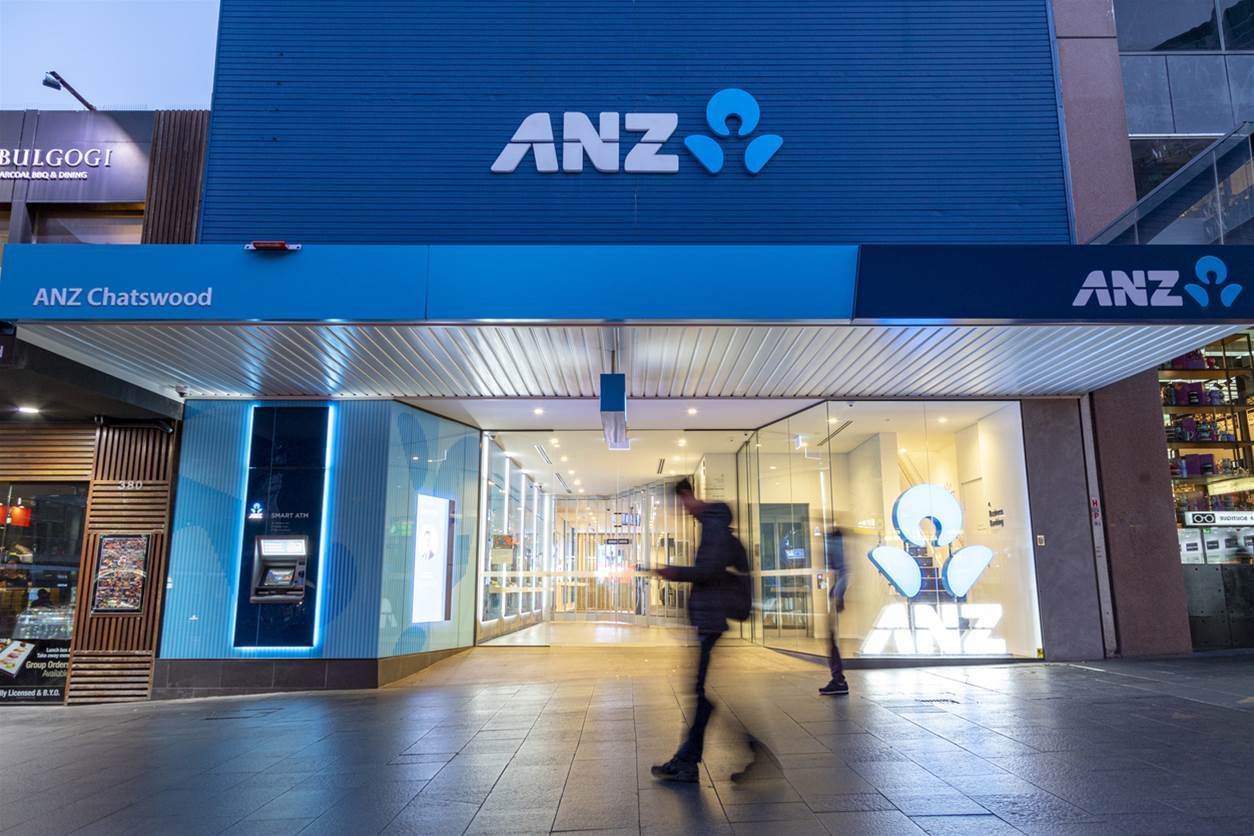
ANZ Bank in 2026: Profits Up, Strategy Shift, and What It Means for Borrowers
ANZ Bank started 2026 with a strong financial result but also significant internal changes and strategic shifts that have a...
Buying Your First Home
Explore real scenarios of buying your first home. Learn common challenges, smart strategies, and practical tips to help first home buyers succeed.
"*" indicates required fields
Purchasing your first home is one of the most important financial decisions you will ever make. It is not just about buying a property; it is about structuring your finances, understanding lending policies, and making decisions that will impact your long-term wealth and lifestyle.
As a first home buyer, you are entering a market with multiple moving parts, including lenders, government schemes, legal requirements, and financial commitments. Without proper guidance, it is easy to make costly mistakes such as borrowing too much, choosing the wrong loan structure, or missing out on incentives that are available.
We simplify the process by guiding you step by step and ensuring you secure a home loan that makes financial sense, remains sustainable, and aligns with your future goals.
Buying your first home is not a one-step process. It is a structured process that starts long before you ever set foot in a property.
| Stage | What It Involves | Why It Matters |
|---|---|---|
| Financial Assessment | Reviewing income, expenses, and debts | Determines borrowing capacity |
| Pre-Approval | Getting conditional loan approval | Strengthens buying position |
| Property Search | Finding a suitable property | Must align with budget & goals |
| Offer & Contract | Negotiating and signing | Legal commitment begins |
| Loan Approval | Final lender approval | Confirms funding |
| Settlement | Ownership transfer | You officially own the property |
Each stage has its own risks and requirements, which is why professional guidance is critical.
Your borrowing capacity is one of the most important factors in your home-buying journey. It determines your budget and directly affects the type of property you can afford.
Lenders assess your borrowing capacity based on several key factors:
Understanding your borrowing power early helps you set realistic expectations and avoid financial stress later in the process.
| Income | Expenses | Estimated Borrowing Power |
|---|---|---|
| $80,000/year | Low expenses | $400,000 – $500,000 |
| $120,000/year | Moderate expenses | $600,000 – $750,000 |
| $150,000/year | Low debt | $800,000 – $950,000 |
These figures vary by lender, as each bank uses different assessment criteria.
Lenders Mortgage Insurance (LMI) is a fee charged when you borrow more than 80% of a property’s value.
LMI protects the lender, not you. It covers the lender if you default on your loan.
| Property Value | Loan (90%) | Estimated LMI Cost |
|---|---|---|
| $500,000 | $450,000 | $8,000 – $12,000 |
| $800,000 | $720,000 | $18,000 – $25,000 |
| $1,000,000 | $900,000 | $20,000 – $30,000 |
The good news is that first home buyers may be able to avoid LMI through certain government schemes or professional discounts.
The Australian Government offers a range of programs to help first home buyers manage upfront costs and enter the property market sooner.
The First Home Owner Grant is a one-off payment available to eligible first home buyers.
The Home Guarantee Scheme helps eligible buyers purchase a home with a smaller deposit and no Lenders Mortgage Insurance (LMI).
| Scheme | Deposit Required | LMI | Best For |
|---|---|---|---|
| FHOG | 5%–20% | May apply | New home buyers |
| Home Guarantee Scheme | 5% | No | Low deposit buyers |
| Standard Loan | 10%–20% | Yes (if <20%) | General buyers |
Understanding which scheme you qualify for can save you tens of thousands of dollars.
| Category | Details |
|---|---|
| Singles income cap | up to $125,000 per year |
| Couples income cap | up to $200,000 per year (combined) |
| Location | Cap |
|---|---|
| Sydney | $900,000 |
| Melbourne | $800,000 |
| Brisbane | $700,000 |
| Rest of NSW | $750,000 |
| Rest of VIC | $650,000 |
| Rest of QLD | $550,000 |
| Perth | $600,000 |
| Adelaide | $600,000 |
| ACT | $750,000 |
| NT / TAS | $600,000 |
| Category | Details |
|---|---|
| Income cap | $125,000 per year |
| Minimum deposit | 2% |
LVR is the percentage of a property’s value that you are borrowing.
Simple formula:
Loan Amount ÷ Property Value × 100
A higher LVR means a higher risk for the lender and may result in paying Lenders Mortgage Insurance (LMI). A lower LVR can improve your chances of approval and help you access better interest rates.
| LVR | Deposit | LMI |
|---|---|---|
| 80% | 20% | No |
| 90% | 10% | Yes |
| 95% | 5% | Yes (unless waived) |
Lower LVR = lower risk = better interest rates.
Buying your first home is a big step, and understanding your borrowing power, deposit requirements, and available support options can make the process much easier. FS Loan helps you explore your options, compare lenders, and take the right steps toward home ownership with confidence.
Interest rates come in different types, and choosing the right one is important for long-term financial planning.
| Feature | Fixed Rate | Variable Rate |
|---|---|---|
| Repayment Stability | High | Medium |
| Flexibility | Low | High |
| Rate Changes | None | Yes |
| Extra Repayments | Limited | Usually allowed |
Choosing the right structure depends on your risk tolerance and financial goals.
Pre-approval means a lender has conditionally approved your loan before you buy a property.
Preparing your documents early can speed up the approval process.
Modern home loans come with features that can help you save money over time.
An offset account reduces the interest charged on your loan.
Example:
Avoid these common mistakes to save money:
| Cost Type | Estimated Amount |
|---|---|
| Deposit (10%) | $60,000 (on $600k property) |
| Stamp Duty | $20,000 – $30,000 |
| Legal Fees | $1,500 – $3,000 |
| LMI (if applicable) | $10,000 – $20,000 |
Stamp duty varies by state and property value (use our Stamp Duty Calculator: Stamp Duty Calculator)
| Cost Type | Amount |
|---|---|
| Legal and conveyancing fees | $1,500 to $3,000 |
| Building and pest inspection | $400 to $800 |
| Lender fees (application, valuation) | $300 to $700 |
| Moving costs | $500 to $2,000 |
As a general rule, allow for $5,000 to $10,000 above your deposit to cover these costs comfortably.
Your first home is only the beginning.
A well-structured take can help you with:
An average loan can be very different from a well-structured loan over time.
A well-structured home loan can:
Support shouldn’t end at loan approval.
A full service includes:
Understand what your situation looks like as a first home buyer and what steps you may need to take before applying for a home loan.
"*" indicates required fields
Most lenders require between 5% and 20% of the property value, depending on the loan type and eligibility for government schemes.
Yes, eligible buyers may use the Home Guarantee Scheme to purchase with a 5% deposit without paying LMI.
LMI is a cost applied when your deposit is below 20%. It protects the lender, not the borrower.
Pre-approval can take a few days, while full approval and settlement may take several weeks depending on the lender.
It depends on your goals. Fixed offers stability, while variable provides flexibility. Many buyers choose a split loan for balance.
A mortgage broker helps you compare lenders, find better loan options, and navigate the process with expert guidance.
Your ideal home deserves a mortgage that aligns with your financial goals. Together, we can make it happen.
Looking for more tools to plan your finances? Explore our full suite of calculators designed to help you make smarter home loan decisions.
"*" indicates required fields
ANZ Bank started 2026 with a strong financial result but also significant internal changes and strategic shifts that have a...
Record levels of mortgage refinancing have been one of the biggest changes in the home loan market in 2026 in...
Buying your first home in Australia has always been dependent on two things: interest rates and lending rules. RBA rate...

Helping you find the right home loan with expert guidance and trusted support.