
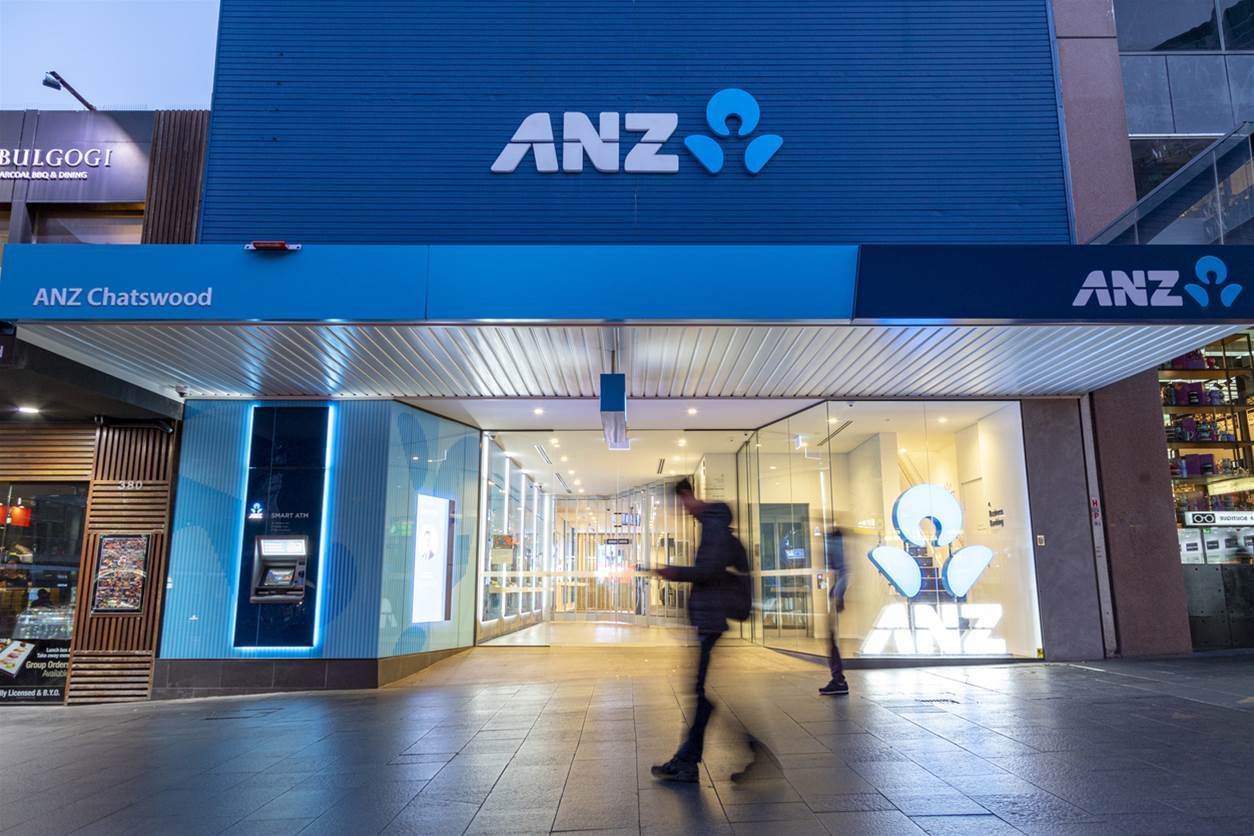
ANZ Bank in 2026: Profits Up, Strategy Shift, and What It Means for Borrowers
ANZ Bank started 2026 with a strong financial result but also significant internal changes and strategic shifts that have a...
Construction Home Loans
Explore construction home loans and learn how building finance works, including progress payments, loan stages, and flexible options for home construction.
"*" indicates required fields
A construction loan is a kind of home loan that helps you build or renovate a property.
Unlike a home loan, where you get all the money at once, a construction loan gives you the money in stages as the building work goes on.
This way of getting the money is called a drawdown. It is one of the differences between construction loans and regular mortgages.
When you are building:
When the building is finished:
The loan usually changes into a regular home loan where you pay back the amount you borrowed and the interest.
Construction loans are not just another type of home loan. They are more complicated and involve:
Because of this, you need to plan carefully and be precise when you apply for a construction loan.
If you do not do it correctly, you might have problems like delays, not having enough money, or spending too much.
There are types of construction loans. Each one is suited to people.
This is the common type.
The money is given to you in stages:
You only pay the interest during the building work.
It changes into a regular loan when the building is finished.
This helps you manage your money while your property is being built.
If you want to build the property yourself:
It is important to note that these loans are hard to get because the lender thinks they are risky.
You need to have a contract with a builder that says how much the building work will cost.
The good things about this are:
The bad thing is:
With this kind of loan:
This is simpler, but you have less control over the building work.
These loans are for people who work for themselves and do not have all the paperwork.
A family member uses their property to guarantee the loan.
The good things about this are:
You can remove the guarantor later when you have paid enough of the loan.
Construction home loans are designed to help fund your build in stages while giving you more control over repayments during construction. FS Loan helps you understand the process, compare lenders, and prepare for a smoother building journey from start to finish.
Many people can apply for a construction loan. The rules are different for each person.
You can apply for a low-doc loan.
You need to have:
You need to meet strict rules:
This is good for people who do not have a lot of money saved.
Some people might have trouble getting a loan:
To get a loan, the lender usually wants:
Construction loans work in a way that is different from regular loans.
The lender checks:
This helps the lender decide how much you can borrow.
Depending on your job:
If you have a job:
If you work for yourself:
When you get pre-approval, you have:
You usually need:
Or you can use the money you already have in a property.
Some lenders say you can pay 5% to 10% deposit with LMI.
This document says:
The lender uses this to decide if they will give you a loan.
You need to have:
This makes sure you follow the rules.
You need to have:
Funds are released in stages:
| Stage | What Happens |
|---|---|
| Slab | Foundation laid |
| Frame | Structural framework completed |
| Lock-Up | External structure secured |
| Fit-Out | Interior work completed |
| Completion | Final inspection and handover |
At each stage:
| Stage | Percentage of Total Loan |
|---|---|
| Slab / base stage | 10% to 15% |
| Frame stage | 15% to 20% |
| Lock-up stage (roof, walls, windows) | 20% to 25% |
| Fit-out stage (internal fixtures) | 20% to 25% |
| Completion / handover | 15% to 25% |
Example: On a $500,000 construction loan, the first drawdown at slab stage is approximately $60,000 to $75,000.
Your lender conducts an inspection before releasing each payment to confirm the stage is complete.
One major advantage is:
Example:
This helps manage cash flow during the build.
If you earn overseas income, lenders assess additional risk factors.
| Currency | Acceptance | Risk Level |
|---|---|---|
| USD | High | Low |
| GBP | High | Low |
| SGD | High | Low |
| AED | Medium-High | Medium |
| PKR | Limited | High |
| INR | Limited | Medium-High |
Even a stable income can fluctuate in AUD terms.
Example:
This can affect:
If your application is related to:
It involves things like:
You may have to deal with:
If one of the people applying for the loan is not a citizen or does not have a PR:
Construction loans can have tax implications, especially for people who invest in properties.
For people who are not residents of the country:
If you are:
You may need a Power of Attorney.
This is important for:
Because it allows someone to:
On your behalf.
Without it, you may face:
Using a mortgage broker like FS Loan can be very helpful because they provide:
You can:
To help you:
To get:
By handling:
To ensure your application is:
And reduce the risk of:
Construction loans are a great way to:
A property, but you need to be careful and have a:
If you do it right, you can:
To get help from an expert, you can:
To explore your construction loan options.
Understand how construction loans work, what lenders require, and how to prepare your finances before starting your home build.
"*" indicates required fields
A construction home loan is a mortgage that funds your property build in stages, with payments released as construction progresses.
No, most construction loans offer interest-only repayments during the building phase, reducing initial costs.
Typically, lenders require at least 5%–20%, depending on your financial profile and project.
It’s not recommended, as even small changes can delay your loan or require reassessment.
Your loan usually converts into a standard home loan with principal and interest repayments.
Approval timelines vary but are generally longer than standard home loans due to additional documentation and assessments.
Your ideal home deserves a mortgage that aligns with your financial goals. Together, we can make it happen.
Looking for more tools to plan your finances? Explore our full suite of calculators designed to help you make smarter home loan decisions.
"*" indicates required fields
ANZ Bank started 2026 with a strong financial result but also significant internal changes and strategic shifts that have a...
Record levels of mortgage refinancing have been one of the biggest changes in the home loan market in 2026 in...
Buying your first home in Australia has always been dependent on two things: interest rates and lending rules. RBA rate...

Helping you find the right home loan with expert guidance and trusted support.