
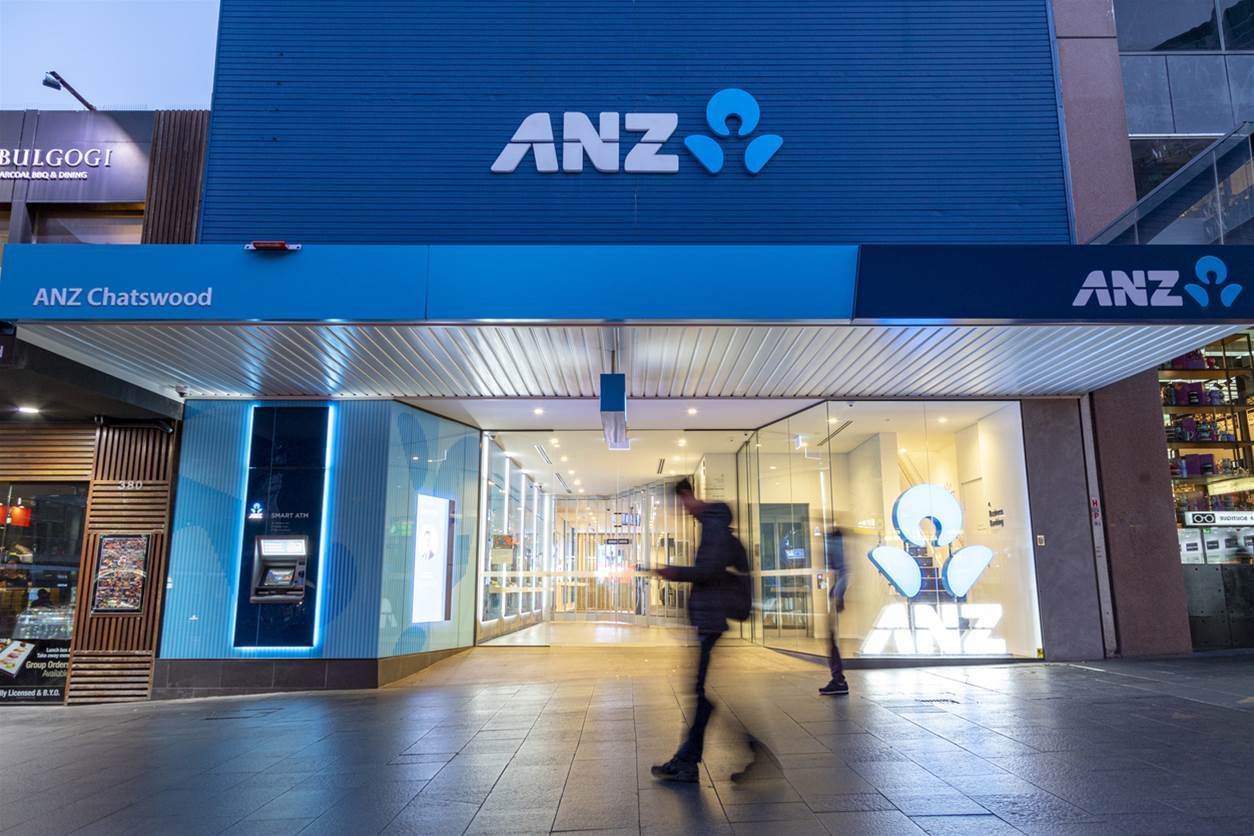
ANZ Bank in 2026: Profits Up, Strategy Shift, and What It Means for Borrowers
ANZ Bank started 2026 with a strong financial result but also significant internal changes and strategic shifts that have a...
Self-Employed Borrower Guide in Australia
Securing a home loan as a self-employed borrower can be more complex than for salaried applicants, but it’s absolutely achievable with the right preparation.
"*" indicates required fields
Applying for a mortgage while self-employed follows a structured process. According to the lending specialists at FS Loan, understanding lender requirements and preparing your finances in advance can significantly improve your chances of approval.
Lenders typically assess your income based on your business financials, including profit, expenses, and stability over time. They often review your average income across the last 1–2 years to determine borrowing capacity.
How is self-employed income calculated?
Most lenders average your net profit after tax across your last 2 years of personal tax returns. Some lenders also add back non-cash expenses such as depreciation and one-off costs.
Example: Net profit $100,000 in Year 1 and $120,000 in Year 2 = assessed income of approximately $110,000 per year.
If your income has increased significantly in Year 2, some lenders will use the most recent year only. Ask your broker which approach gives you the best outcome.
Use our Borrowing Capacity Calculator.
You’ll generally need to provide recent tax returns, business financial statements, bank statements, and an Australian Business Number (ABN). Some lenders may also request a letter from your accountant to confirm income details.
To strengthen your application, keep your financial records up to date, minimise unnecessary expenses, reduce existing debts, and maintain a strong credit history. Consistent income and clean financials make a big difference.
Applying for a home loan while self-employed can feel more complex due to different income verification requirements and lender policies. FS Loan helps you understand your options, prepare the right documents, and improve your chances of approval with the right loan strategy.
Yes, some lenders may consider applicants with less than two years of self-employment if they have prior experience in the same industry or strong supporting financials. This is often assessed on a case-by-case basis.
Depending on your situation, you may qualify for standard home loans, low-doc loans, or alternative lending options. Each comes with different requirements and flexibility levels.
Before applying for pre-approval, ensure your documents are complete, your financials are accurate, and your credit profile is in good shape. This helps speed up the process and improves approval chances.
Understand how lenders assess self-employed applicants and what may help improve your chances of home loan approval.
"*" indicates required fields
It can be slightly more challenging due to income verification requirements, but with proper documentation and stable earnings, many self-employed borrowers successfully secure home loans.
A low-doc loan is designed for borrowers who may not have full financial documentation. Instead of traditional income proof, lenders may accept alternative documents like bank statements or accountant declarations.
Yes, lenders will consider your business income when assessing your application. They typically evaluate your net profit and overall financial stability to determine how much you can borrow.
Your ideal home deserves a mortgage that aligns with your financial goals. Together, we can make it happen.
Looking for more tools to plan your finances? Explore our full suite of calculators designed to help you make smarter home loan decisions.
"*" indicates required fields
ANZ Bank started 2026 with a strong financial result but also significant internal changes and strategic shifts that have a...
Record levels of mortgage refinancing have been one of the biggest changes in the home loan market in 2026 in...
Buying your first home in Australia has always been dependent on two things: interest rates and lending rules. RBA rate...

Helping you find the right home loan with expert guidance and trusted support.