
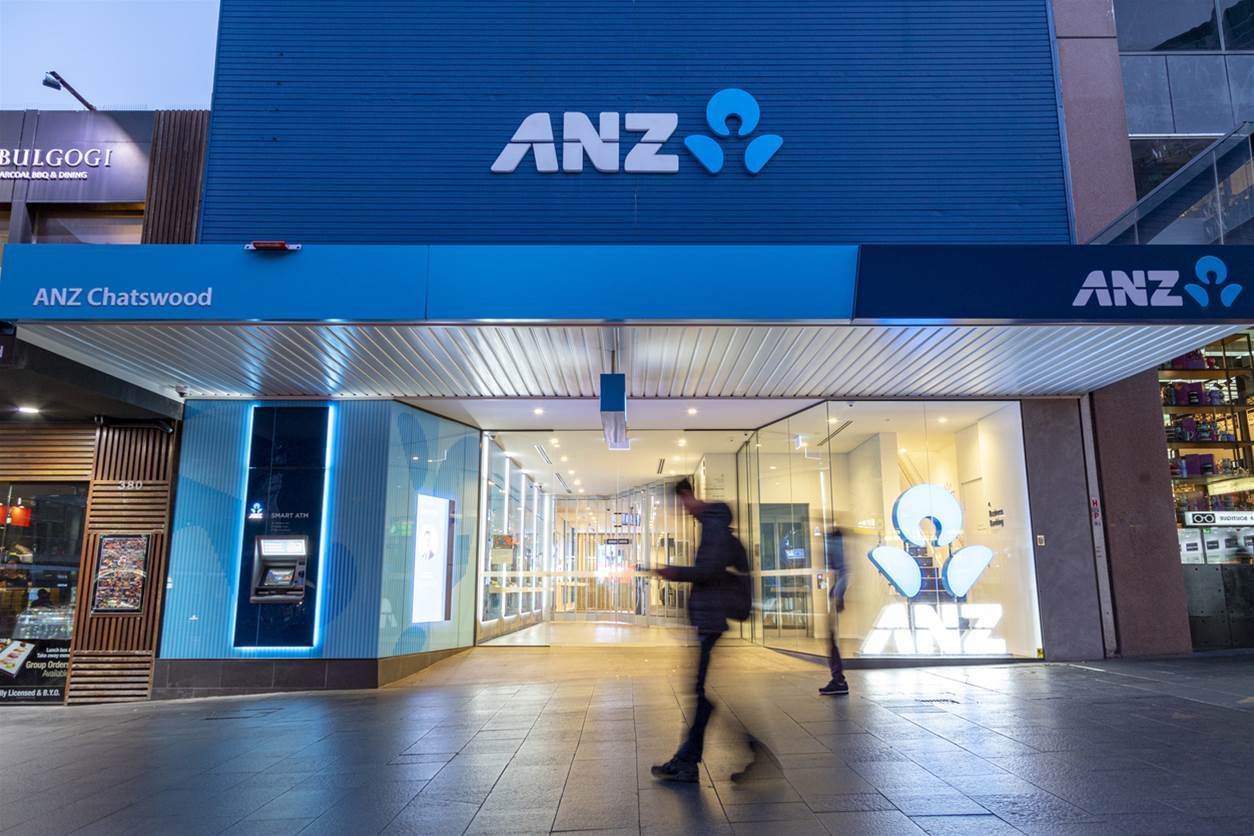
ANZ Bank in 2026: Profits Up, Strategy Shift, and What It Means for Borrowers
ANZ Bank started 2026 with a strong financial result but also significant internal changes and strategic shifts that have a...
Genuine Savings Hacks for Home Buyers in Australia
Building genuine savings is a key requirement when applying for a home loan, especially for first-time buyers. Lenders want to see consistent saving habits over time to ensure you can manage repayments.
"*" indicates required fields
Genuine savings refer to funds that you have personally saved over a period of time, usually at least three months. According to the mortgage specialists at FS Loan, showing a strong savings pattern can significantly improve your borrowing profile and approval chances.
Genuine savings typically include money saved from your income, such as regular deposits into a savings account, term deposits, or consistent investment contributions. Lenders prefer to see a clear history of disciplined saving.
How much genuine savings do you need?
Most lenders require at least 5% of the purchase price to be demonstrated as genuine savings held for a minimum of 3 months.
Example: On a $600,000 property, $30,000 must be in your account and demonstrably yours. It cannot consist entirely of a family gift or First Home Owner Grant.
Some lenders accept a strong rental payment history as an alternative. Ask your broker which lenders are most flexible for your situation.
Use our Deposit Calculator.
Start by setting a fixed savings goal and automatically transferring a portion of your income into a separate account. Consistency is more important than large one-time deposits.
In most cases, gifts and government grants are not classified as genuine savings on their own. However, they can still support your deposit when combined with your personal savings history.
Genuine savings are an important part of many home loan applications in Australia, especially for low-deposit borrowers. Understanding how lenders assess your savings can help you structure your finances better and improve your approval chances.
Review your monthly spending and identify areas where you can cut back, such as subscriptions, dining out, or unnecessary purchases. Redirecting these funds into savings can accelerate your progress.
Keeping your savings in a dedicated account makes it easier to track your progress and demonstrate a clear savings pattern to lenders. Avoid frequent withdrawals to maintain a strong record.
Most lenders require at least three months of consistent savings history, although a longer track record can strengthen your application even further.
Understand how genuine savings work and why lenders look at your saving history when assessing home loan applications.
"*" indicates required fields
They show lenders that you have financial discipline and can manage regular repayments, reducing the risk associated with lending.
Some lenders may accept a strong rental payment history as an alternative to genuine savings, as it demonstrates your ability to meet regular financial commitments.
In some cases, a large deposit may reduce the need for genuine savings, but many lenders still prefer to see evidence of consistent saving behaviour.
Your ideal home deserves a mortgage that aligns with your financial goals. Together, we can make it happen.
Looking for more tools to plan your finances? Explore our full suite of calculators designed to help you make smarter home loan decisions.
"*" indicates required fields
ANZ Bank started 2026 with a strong financial result but also significant internal changes and strategic shifts that have a...
Record levels of mortgage refinancing have been one of the biggest changes in the home loan market in 2026 in...
Buying your first home in Australia has always been dependent on two things: interest rates and lending rules. RBA rate...

Helping you find the right home loan with expert guidance and trusted support.