
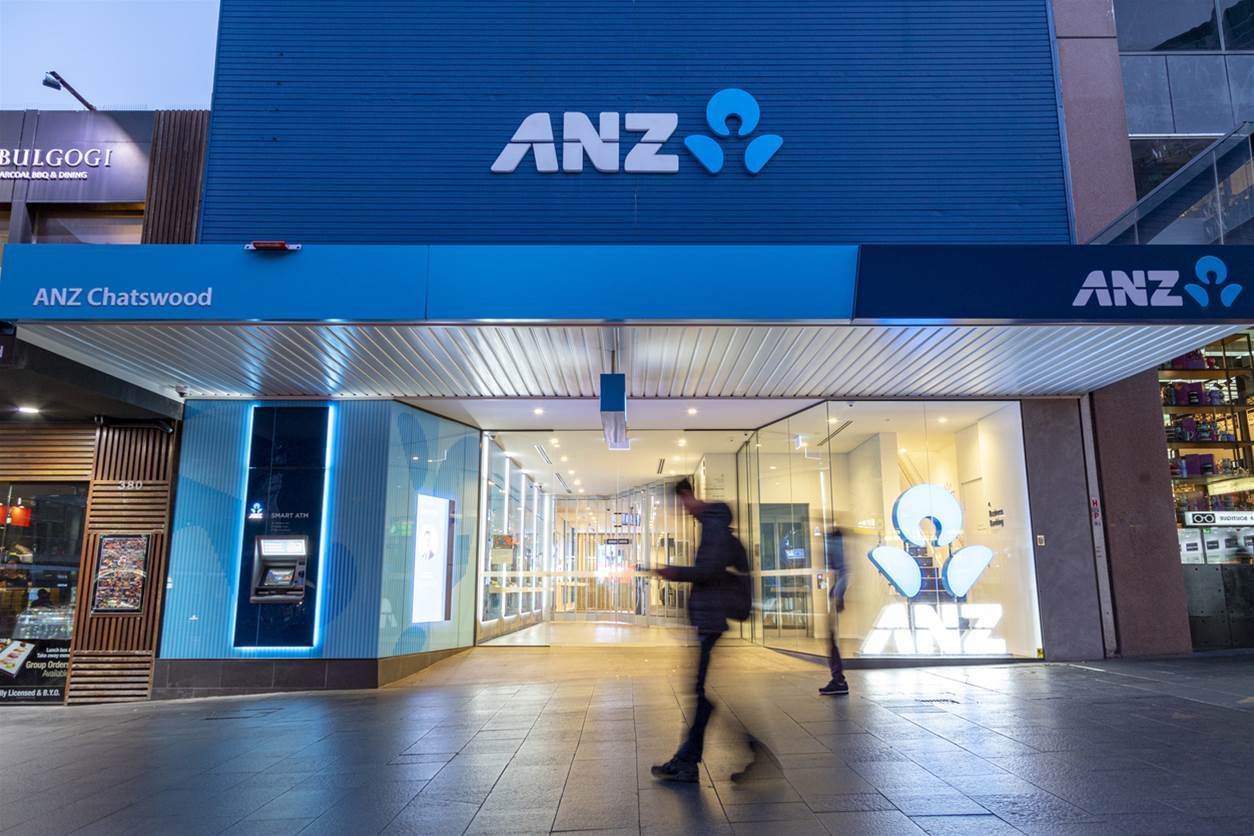
ANZ Bank in 2026: Profits Up, Strategy Shift, and What It Means for Borrowers
ANZ Bank started 2026 with a strong financial result but also significant internal changes and strategic shifts that have a...
Property Development Loans
Fund your next development project with confidence. Learn how property development loans work, understand funding stages, and explore flexible finance options with expert support from FS Loan.
"*" indicates required fields
Property development loans are specialised finance solutions designed for individuals, investors, and builders who want to construct, subdivide, or develop land for residential or commercial purposes. Unlike standard home loans, these facilities are structured around project stages, construction risks, and projected end value rather than just current property value.
These loans are commonly used for:
Because development projects carry higher risk than standard home purchases, lenders apply stricter approval criteria, staged funding structures, and detailed feasibility assessments.
Property development loans are not released in one lump sum like a normal mortgage. Instead, funds are released in stages based on construction progress.
This system reduces lender risk and ensures money is only used for completed work.
Key differences include:
A development loan is typically structured around the “progress payment system.”
| Stage | Description | What Happens |
|---|---|---|
| Land Purchase | Buying the land | Initial settlement funded |
| Site Preparation | Clearing and excavation | First drawdown begins |
| Foundation | Slab and base structure | Funds released after inspection |
| Frame Stage | Building structure completed | Next payment released |
| Lock-Up Stage | Doors and windows installed | A major portion of the funds released |
| Completion | Final finishes and certification | Final payment released |
Each stage must be inspected and approved before the lender releases the next portion of funds.
There are several types of development finance depending on project size and experience level.
Used for:
These are the most common development loans and are usually easier to secure.
Used for:
These require stronger financials and usually higher deposits.
Used when:
Lenders focus heavily on resale demand and council approvals.
Used for:
These loans often involve more complex structuring and multiple approvals.
Development loans usually require a higher deposit compared to standard home loans.
| Project Type | Typical LVR |
|---|---|
| Small residential development | Up to 70% |
| Medium development | 60% – 70% |
| Large commercial projects | 50% – 65% |
| First-time developers | 50% – 60% |
Lower LVR requirements exist because construction risk is significantly higher than buying an existing property.
Property development loans can help fund residential or commercial projects, but lender requirements are often more complex than standard home loans. FS Loan helps you understand your borrowing options, prepare the right documents, and compare lenders for your development project.
Lenders don’t just look at your income—they evaluate the entire project.
Lenders must see how you will repay the loan:
Development loans involve several additional costs beyond standard mortgages.
| Cost Type | Description |
|---|---|
| Interest (progressive drawdown) | Charged only on funds used |
| Establishment fees | Loan setup costs |
| Valuation fees | Independent property and progress valuations |
| Legal fees | Documentation and contracts |
| Monitoring fees | Site inspections during construction |
| Council & permit costs | Planning approvals |
| Builder costs | Construction contract |
Let’s say you are building 4 townhouses.
If the lender finances 70% LVR:
After completion:
Interest rates are usually higher than standard home loans due to increased risk.
They depend on:
Rates can be:
These loans are not limited to large corporations. Applicants can include:
However, first-time developers usually face stricter conditions, such as lower LVR and higher equity requirements.
To apply for a development loan, lenders typically require:
For larger developments, lenders may also request:
Property development can be highly profitable but also risky.
Key risks include:
Because of these risks, lenders closely monitor each stage of the project.
Despite the risks, these loans offer significant advantages:
Yes, but with stricter conditions.
First-time developers usually need:
Some lenders also require mentoring or involvement of an experienced project manager.
Understand how property development loans work and what lenders assess before approving a development project.
"*" indicates required fields
Yes, development loans are generally more complex due to higher risk, but strong planning and financials can improve approval chances.
Not always. Some lenders support first-time developers for smaller projects, but experience can strengthen your application.
These are staged payments released by the lender as construction milestones are completed.
For larger developments, lenders may require a certain number of pre-sales to reduce risk.
Yes, many developers use equity from existing properties as part of their funding.
You can sell the properties to repay the loan or refinance into a long-term loan depending on your strategy.
Your ideal home deserves a mortgage that aligns with your financial goals. Together, we can make it happen.
Looking for more tools to plan your finances? Explore our full suite of calculators designed to help you make smarter home loan decisions.
"*" indicates required fields
ANZ Bank started 2026 with a strong financial result but also significant internal changes and strategic shifts that have a...
Record levels of mortgage refinancing have been one of the biggest changes in the home loan market in 2026 in...
Buying your first home in Australia has always been dependent on two things: interest rates and lending rules. RBA rate...

Helping you find the right home loan with expert guidance and trusted support.