
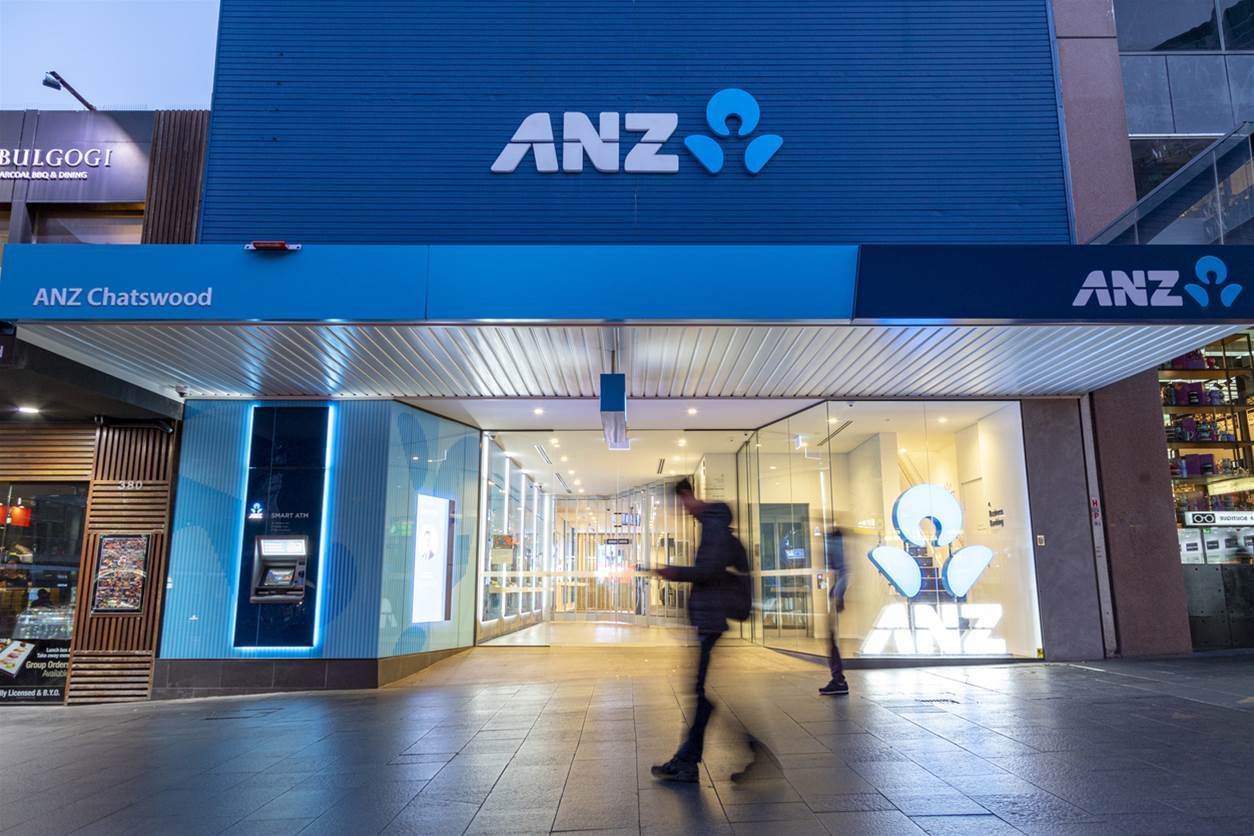
ANZ Bank in 2026: Profits Up, Strategy Shift, and What It Means for Borrowers
ANZ Bank started 2026 with a strong financial result but also significant internal changes and strategic shifts that have a...
Business Loans in Australia
Access the funding your business needs to grow, manage cash flow, or invest in equipment and expansion.
"*" indicates required fields
Business loans are specialised finance solutions designed to help individuals and companies start, grow, acquire, or restructure a business. Unlike residential home loans, these facilities are primarily based on business performance, risk profile, and projected cash flow, rather than personal income alone.
Lenders treat business lending as higher risk compared to residential lending. Because of this, they apply stricter due diligence, require stronger documentation, and often structure loans with additional security such as property collateral or personal guarantees.
A business loan can be used for multiple strategic purposes depending on the stage of your business lifecycle.
Unlike personal loans, business loans are not just for consumption — they are designed to generate future business revenue and expansion capacity.
Business lending is assessed using a risk-based scoring model, which is completely different from home loan credit scoring.
Banks are not regulated under the same consumer lending rules (NCCP Act), which allows them to use more flexible but stricter internal systems.
Lenders typically assess applications using two layers:
| Grade | Meaning | Business Type | Risk Level |
|---|---|---|---|
| A1 | Very strong, established business | 10+ years profitable trading | Very Low |
| A3–A5 | Stable business with good cash flow | 3–10 years trading | Low |
| B6–B8 | Moderate risk business | Growing SME | Medium |
| C9–C12 | Weak or early-stage business | New business / unstable income | High |
| D13–D15 | High risk or speculative | Startup or loss-making business | Very High |
A strong, established company may be rated A1–A3, while a startup with no trading history is typically rated C10+ or worse.
Lenders do not rely on one factor — they evaluate multiple dimensions of risk.
The longer a business has been operating, the lower the perceived risk.
| Trading History | Lender View |
|---|---|
| 0–1 year | High risk |
| 1–3 years | Medium risk |
| 3–5 years | Stable |
| 5+ years | Low risk |
| 10+ years | Very strong profile |
Banks analyse profitability trends rather than just revenue.
They focus on:
Even high-revenue businesses can decline if cash flow is unstable.
Certain industries are automatically considered higher risk due to failure rates or economic sensitivity.
| Low Risk | Medium Risk | High Risk |
|---|---|---|
| Accounting | Retail chains | Construction |
| Medical services | Logistics | Restaurants |
| Government contracts | Import/export | Hospitality startups |
| Education | Wholesale trade | Mining contractors |
Security is a critical factor in approval decisions.
Accepted security types:
Higher-quality security improves approval chances and reduces interest rates.
Most business loans require a minimum 50% contribution, which can come from:
This reduces lender exposure and shows borrower commitment.
Business loan sizes vary widely based on risk profile, lender appetite, and security strength.
| Business Type | Loan Range |
|---|---|
| Small business/startup | $250,000 – $1,000,000 |
| Established SME | $1,000,000 – $5,000,000 |
| Large business | $5,000,000 – $20,000,000 |
| Corporate/high net worth | $20,000,000 – $50,000,000+ |
Loans above $5 million require:
Business loans can help manage cash flow, purchase equipment, expand operations, or support new opportunities as your business grows. FS Loan helps you understand your financing options, compare lenders, and find a loan structure that better suits your business goals.
Business loans often include flexible features similar to commercial banking facilities.
An overdraft allows you to withdraw more than your account balance up to an approved limit.
A revolving credit facility with a fixed limit.
Example:
If approved for $1,000,000 LOC:
Borrowers only pay interest for a set period (usually 1–5 years).
Benefits:
| Type | Benefit | Risk |
|---|---|---|
| Fixed | Predictable repayments | No benefit if rates drop |
| Variable | Flexibility + rate drops | Repayments can increase |
A strong application is not just about income — it is about presentation and risk management.
Lenders accept multiple forms of financial evidence.
Low documentation loans are available when full financials are not available.
These loans are higher risk for lenders, so pricing is usually higher.
A guarantor can significantly improve approval chances.
If the borrower defaults, the guarantor becomes liable for repayment.
Business lending carries more risk than residential lending.
Despite risks, they provide strong growth advantages.
Understand how business loans work and what lenders assess before approving finance for your business.
"*" indicates required fields
Yes, some lenders offer loans to startups, but requirements may be stricter and may include a solid business plan.
Not always. Unsecured loans are available, but secured loans may offer better terms and higher borrowing limits.
Approval times vary from a few hours to several days depending on the lender and complexity of the application.
Generally yes, but it depends on the lender. Some loans are tailored for specific uses like equipment or expansion.
Yes, both personal and business credit history can impact approval and loan terms.
Many lenders allow early repayments, but some may charge fees, so it’s important to check the terms.
Your ideal home deserves a mortgage that aligns with your financial goals. Together, we can make it happen.
Looking for more tools to plan your finances? Explore our full suite of calculators designed to help you make smarter home loan decisions.
"*" indicates required fields
ANZ Bank started 2026 with a strong financial result but also significant internal changes and strategic shifts that have a...
Record levels of mortgage refinancing have been one of the biggest changes in the home loan market in 2026 in...
Buying your first home in Australia has always been dependent on two things: interest rates and lending rules. RBA rate...

Helping you find the right home loan with expert guidance and trusted support.