
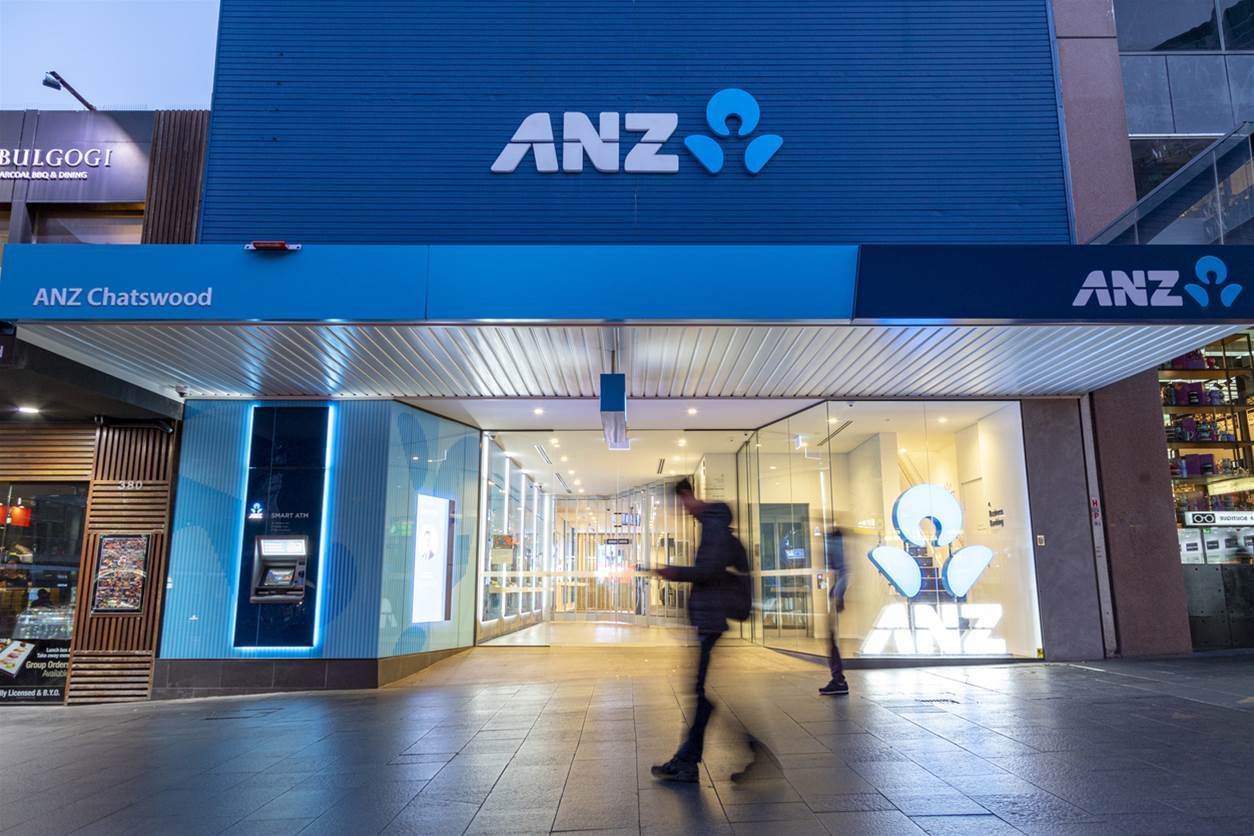
ANZ Bank in 2026: Profits Up, Strategy Shift, and What It Means for Borrowers
ANZ Bank started 2026 with a strong financial result but also significant internal changes and strategic shifts that have a...
Co-Living Property Loans: Higher Yields Through Shared Accommodation
Finance modern shared housing projects with confidence. Learn how co-living loans work, explore funding options, and maximise rental returns with expert guidance from FS Loan.
"*" indicates required fields
Co-living loans are a niche type of property finance used to fund co-living or shared accommodation properties, where multiple unrelated tenants live in one dwelling, but have private bedrooms and shared common areas such as kitchens, bathrooms, and living spaces.
These loans are for investors seeking to increase occupancy density over traditional single-tenant homes to maximise rental income.
Co-living properties are increasingly popular in high-demand cities where affordability pressure drives tenants to shared living.
A co-living property is a residential investment built to house multiple tenants in a structured shared living situation.
Designed or adapted for: co-living properties are unlike traditional rental homes,
The model tries to maximise revenue per square metre, instead of depending on a single tenant.
Co-living loans are just like any other investment loans, but they require a more in-depth assessment because of the added complexity of the rental.
Lenders generally consider:
Lenders tend to be more stringent in their assessment as co-living properties can generate more income but can also be more complex to manage.
Co-living investments are primarily used to boost cash flow and rental yield.
The key drivers are:
| Feature | Description |
|---|---|
| Loan type | Investment or specialised residential loan |
| Security | Property (standard residential or modified dwelling) |
| Assessment method | Rental-per-room income model |
| Deposit requirement | Often 20%–30%, depending on risk |
| LVR range | Typically 60%–80% |
| Repayment type | Principal & interest or interest-only (for investors) |
Normally, a standard 4-bedroom house rents on a single lease.
In a co-living situation:
| Structure | Traditional Rent | Co-Living Rent |
|---|---|---|
| Single-lease home | $600/week | $600/week |
| 4-room co-living setup | — | $1,000–$1,600/week (combined) |
This difference is what makes co-living attractive to investors focused on cash flow.
Co-living loans can help investors finance shared living properties designed to maximise rental income and meet growing housing demand. FS Loan helps you understand lender requirements, compare finance options, and prepare for a smoother co-living property application process.
Co-living properties normally create far higher income than standard rental properties, as there are multiple tenants.
The demand is generated by:
Even if one room is vacant, the property does not lose all rental income.
You can turn a larger property into a higher-income asset without needing more land.
Investing in co-living can boost cash flow, but it can also increase complexity.
Key risks are:
You need proper due diligence and compliance before investing.
Lenders don’t treat co-living the same way as standard housing.
They usually evaluate:
Some lenders may also apply conservative rental assumptions when calculating borrowing capacity.
Co-living loans are ideal for:
Co-living loans are an emerging investment strategy designed to improve rental yield through shared accommodation models. They can generate stronger cash flow than traditional rentals, but they require careful planning, strong property design, and a clear understanding of lender expectations.
At FS Loan, we help investors structure co-living finance solutions, assess lender suitability, and understand the impact of shared accommodation on borrowing capacity and long-term returns.
Speak to an experienced mortgage broker. Call +123 456 7891 or ask a question online.
Understand how co-living loans work and what lenders assess before approving finance for shared living properties.
"*" indicates required fields
Some lenders may view them as higher risk due to multiple tenants and unique structures, which can affect approval and terms.
Yes, but you may need council approval and must meet local regulations before applying for financing.
Lenders may assess income per room or apply adjustments to account for vacancy and risk.
In many cases, yes. A higher deposit can improve approval chances for co-living loans.
Some lenders may consider first-time investors, but experience can strengthen your application.
It can offer higher rental returns, but it also requires careful planning, management, and understanding of risks.
Your ideal home deserves a mortgage that aligns with your financial goals. Together, we can make it happen.
Looking for more tools to plan your finances? Explore our full suite of calculators designed to help you make smarter home loan decisions.
"*" indicates required fields
ANZ Bank started 2026 with a strong financial result but also significant internal changes and strategic shifts that have a...
Record levels of mortgage refinancing have been one of the biggest changes in the home loan market in 2026 in...
Buying your first home in Australia has always been dependent on two things: interest rates and lending rules. RBA rate...

Helping you find the right home loan with expert guidance and trusted support.