
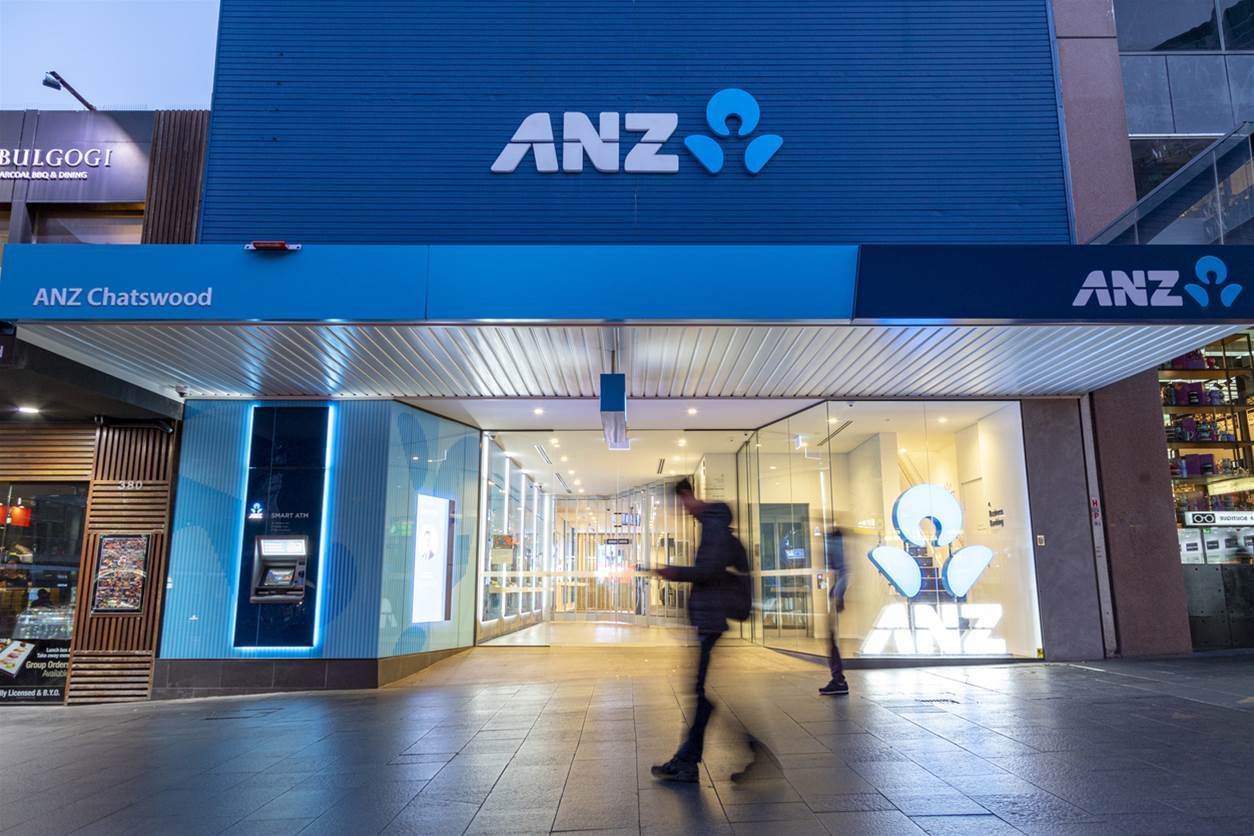
ANZ Bank in 2026: Profits Up, Strategy Shift, and What It Means for Borrowers
ANZ Bank started 2026 with a strong financial result but also significant internal changes and strategic shifts that have a...
Buying First Home Under Govt Scheme
Discover how buying your first home under a government scheme works. Learn about low deposit options, grants, and no LMI programs for first home buyers.
"*" indicates required fields
Buying your first home is often less about just ‘finding a property’ and more about managing timing, savings pressure, borrowing limits, and government support options all at once. Property prices and living costs are climbing, and many first-home buyers in Australia are still renting while trying to save a deposit, making the process even harder.
There are government-backed schemes to make it easier to get into home buying. But they are not a substitute for a home loan – they just change the size of the deposit you need, how much you can borrow, and in some cases, if you have to pay Lenders Mortgage Insurance (LMI).
In practice, these schemes are somewhere between your savings and your mortgage approval, helping you get on the market quicker and still keeping lenders protected by guarantees or structured support.
The Government home buyer schemes are housing assistance programs to help eligible buyers purchase property with a lower up-front deposit or lower costs.
In most cases, they are not loans or gifts. Instead, they usually operate in one of three ways:
| Benefit Type | What It Means in Practice |
|---|---|
| Lower deposit requirement | Buy with as little as 2%–5% deposit instead of 20% |
| LMI reduction or removal | Avoid paying thousands in insurance fees |
| Government guarantees support | The government covers part of the lender risk |
| Cash grants (selected schemes) | One-time payment for eligible buyers |
These programs do not change the requirements to get approved for a loan. You still have to demonstrate:
So they reduce the barriers in the early stages, but they don’t waive lender due diligence.
There are several different first-home buyer programs available in Australia. They are aimed at different types of buyers, such as low-deposit buyers, regional buyers, or single parents.
The First Home Guarantee allows eligible buyers to buy a property with as little as a 5% deposit and no LMI.
How it works:
| Property Price | Deposit (5%) | Loan Amount | LMI |
|---|---|---|---|
| $600,000 | $30,000 | $570,000 | $0 (waived) |
This scheme is primarily aimed at buyers with a regular income but insufficient savings.
| Category | Income Cap |
|---|---|
| Singles | $125,000 per year |
| Couples | $200,000 per year |
| Location | Property Price Cap |
|---|---|
| Sydney | $900,000 |
| Melbourne | $800,000 |
| Brisbane | $700,000 |
| Rest of NSW | $750,000 |
| Rest of VIC | $650,000 |
| Rest of QLD | $550,000 |
| Perth / Adelaide / NT / TAS | $600,000 |
| ACT | $750,000 |
This scheme is similar to FHBG but is only available to buyers buying in specified regional areas.
Key conditions:
This scheme promotes population growth outside major cities, where regional housing markets tend to have lower supply and different affordability challenges.
| Category | Income Cap |
|---|---|
| Singles | $125,000 per year |
| Couples | $200,000 per year |
| Location | Property Price Cap |
|---|---|
| Sydney | $900,000 |
| Melbourne | $800,000 |
| Brisbane | $700,000 |
| Rest of NSW | $750,000 |
| Rest of VIC | $650,000 |
| Rest of QLD | $550,000 |
| Perth / Adelaide / NT / TAS | $600,000 |
| ACT | $750,000 |
Property must be in a regional location (not a capital city or major regional centre)
Family Home Guarantee is specifically for eligible single parents or single legal guardians.
Main feature:
| Property Price | Deposit (2%) | Loan Amount |
|---|---|---|
| $500,000 | $10,000 | $490,000 |
| Category | Requirement |
|---|---|
| Income cap | $125,000/year for eligible single parents |
| Minimum deposit | 2% |
| Location | Property Price Cap |
|---|---|
| Sydney | $900,000 |
| Melbourne | $800,000 |
| Brisbane | $700,000 |
| Rest of NSW | $750,000 |
| Rest of VIC | $650,000 |
| Rest of QLD | $550,000 |
| Perth / Adelaide / NT / TAS | $600,000 |
| ACT | $750,000 |
The First Home Owner Grant is a cash payment made directly by the state or territory government.
Common usage:
| State | Grant Amount (varies) | Property Type |
|---|---|---|
| NSW | varies | New builds only |
| VIC | varies | New homes or off-the-plan |
| QLD | varies | New builds |
This is the only scheme that directly gives money, but it usually comes with strict property type conditions.
| State / Territory | FHOG Amount / Eligibility |
|---|---|
| NSW | $10,000 for new homes under $600,000 |
| VIC | $10,000 (regional VIC $20,000) |
| QLD | $30,000 for new homes under $750,000 |
| WA | $10,000 |
| SA | $15,000 |
| TAS | $30,000 |
| NT | $10,000 |
| ACT | No FHOG |
Most buyers believe government schemes cut a chunk off their loan immediately, but the system is more indirect.
They actually work in three ways:
The government pledges to share some of the lender’s risk (usually up to 15–18%).
The lender is protected, so they are willing to accept a lower deposit (as low as 2%–5%).
LMI is usually triggered by low deposits. Under these schemes, LMI is completely waived for eligible cases.
Government home buyer schemes can help reduce deposit requirements, lower upfront costs, and make it easier to enter the property market. FS Loan helps you understand eligibility, compare schemes, and find the right home loan options under government support programs.
| Step | Process |
|---|---|
| 1 | Buyer applies with a deposit + scheme eligibility |
| 2 | Lender checks income, credit, and employment |
| 3 | Government guarantee is applied |
| 4 | Loan is approved with reduced risk |
| 5 | Buyer purchases property |
Eligibility depends on the scheme, but most schemes have a similar structure.
Typical eligibility requirements are:
| Requirement | Typical Rule |
|---|---|
| Income limit | Moderate income cap applies |
| Property type | New or existing, depending on the scheme |
| Residency | Must live in the property |
| Citizenship | Required for most schemes |
Government schemes make it easier to get in, but they change your long-term financial structure.
Lower deposit generally means:
| Deposit Size | Loan Size | Interest Impact |
|---|---|---|
| 20% deposit | Lower loan | Less interest overall |
| 5% deposit | Higher loan | More interest paid long-term |
Fixed-rate loans:
Variable rate loans:
If property prices fall:
A home loan impacts your:
Typical restrictions include:
Choosing a scheme loan or a standard loan depends on your financial situation, not just eligibility.
| Factor | Standard Loan | Scheme Loan |
|---|---|---|
| Deposit needed | 10–20% | 2–5% |
| LMI | Usually applies | Often waived |
| Flexibility | High | Limited |
| Entry speed | Slower | Faster |
Government home buyer schemes are designed to help first-home buyers enter the property market sooner by reducing upfront financial pressure. They are particularly useful for buyers who have a steady income but limited savings.
But they don’t reduce your long-term obligation to repay the home loan. In many cases, they change the structure of borrowing rather than decreasing the total cost.
Before making a decision, it is important to understand how each scheme works, what restrictions apply, and how it impacts your long-term repayments.
For many buyers, the best approach is to weigh scheme-based borrowing against traditional lending options to determine which is more suited to income stability and future financial plans.
Understand how government-backed home buying schemes can support your first property purchase and reduce financial pressure.
"*" indicates required fields
Not always. Most schemes still require a minimum deposit, although it may be lower than standard loans.
In many cases, LMI is not required, but this depends on the specific scheme and eligibility.
No, there are usually price caps and location restrictions that must be followed.
No, eligibility depends on income limits, citizenship status, and other criteria.
Yes, lenders will still assess your income, expenses, and credit history.
It’s important to consider all options and ensure the loan remains affordable over the long term.
Your ideal home deserves a mortgage that aligns with your financial goals. Together, we can make it happen.
Looking for more tools to plan your finances? Explore our full suite of calculators designed to help you make smarter home loan decisions.
"*" indicates required fields
ANZ Bank started 2026 with a strong financial result but also significant internal changes and strategic shifts that have a...
Record levels of mortgage refinancing have been one of the biggest changes in the home loan market in 2026 in...
Buying your first home in Australia has always been dependent on two things: interest rates and lending rules. RBA rate...

Helping you find the right home loan with expert guidance and trusted support.