
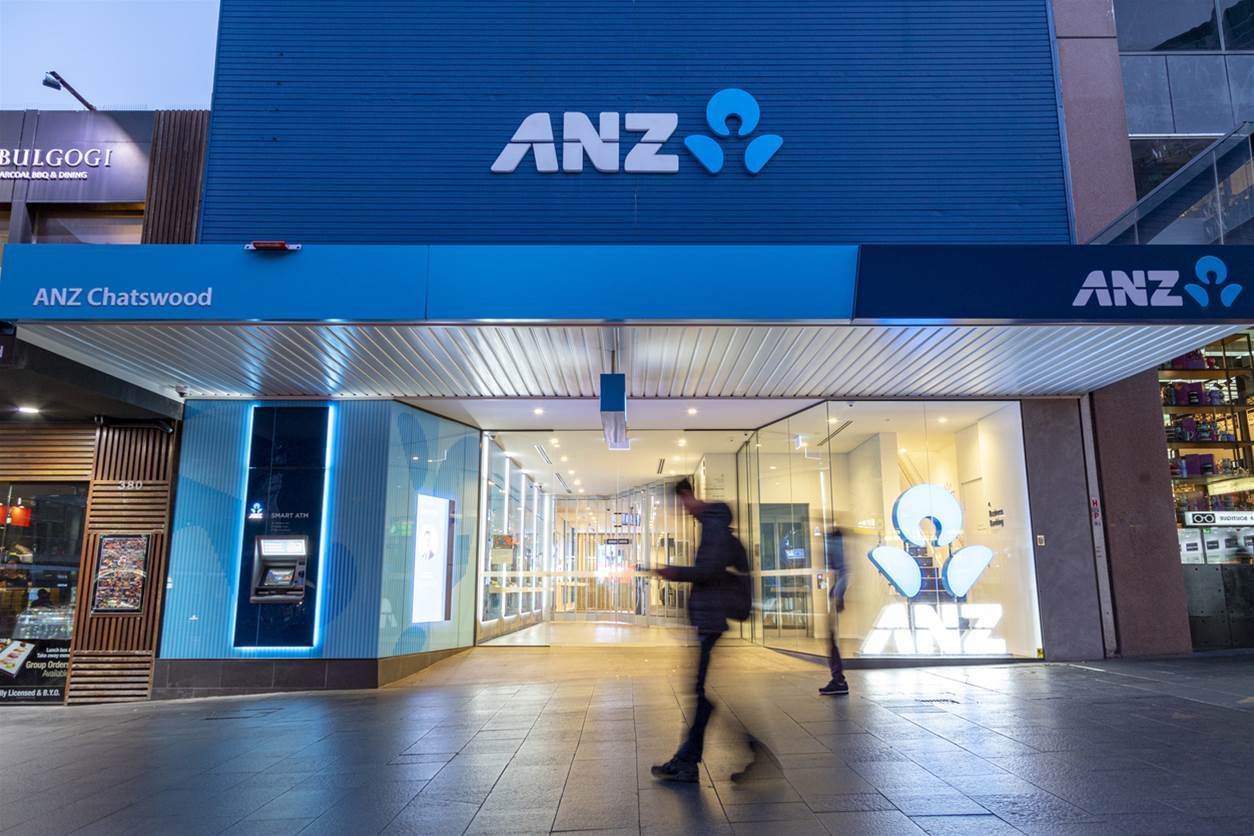
ANZ Bank in 2026: Profits Up, Strategy Shift, and What It Means for Borrowers
ANZ Bank started 2026 with a strong financial result but also significant internal changes and strategic shifts that have a...
Learn how buying an investment property works. Discover deposit requirements, financing options, and smart strategies to build long-term wealth.
"*" indicates required fields
An investment property loan is a type of home loan used to purchase property that will be rented out, not lived in by the borrower.
These loans are handled differently by lenders as the rental income is not guaranteed and can fluctuate based on market conditions.
| Feature | Investment Loan | Owner-Occupied Loan |
|---|---|---|
| Interest rates | Usually higher | Usually lower |
| Deposit required | 10%–20%+ | Can be lower with schemes |
| Income assessment | Includes rental income (discounted) | Based mainly on salary |
| Risk level | Higher for lenders | Lower for lenders |
| Approval strictness | More detailed checks | Standard checks |
Investment properties come with additional risks, including:
Tenancy vacancies (no income received)
Changes in property value
Higher likelihood of strategic default in financially stressed situations
This makes lenders more conservative in their borrowing rules.
Investment loans operate much like regular mortgages, but with additional financial scrutiny.
When you apply, lenders look at:
| Item | Amount |
|---|---|
| Expected rent | $600/week |
| Monthly gross rent | $2,600 |
| Lender applies 80% buffer | $2,080 used for assessment |
This buffer means lenders consider:
Buying a property to let is a different game from buying a house to live in. The emphasis is on financial performance, not on lifestyle requirements. Investors care about rental yield, capital growth, tax efficiency, and long-term wealth creation, not personal comfort, location preference, or emotional attachment.
Major influences on investment property decisions in Australia are lending regulations, interest rate structures, rental demand, and tax rules. Property investment can deliver strong returns over the long run, but it also comes with risks like vacancies, higher interest rates, and market slumps.
Investment loans have stricter criteria than owner-occupied loans, as the lenders take on more financial risk when repayments are based partly on rental income rather than the security of personal occupancy.
With this structure, you return both:
The principal (amount borrowed)
Interest charged by the Lender
Pros:
Cons:
With interest-only loans, you only pay interest for a set period of time (usually 1–5 years).
| Type | Benefit | Risk |
|---|---|---|
| Fixed rate | Predictable repayments | No benefit if rates fall |
| Variable rate | Flexibility + potential savings | Repayments may increase |
Fixed rates are good for budgeting, but variable rates are good for investors who think rates are going down or want flexibility for extra repayments.
For an investment property to be successful, the rental income needs to be able to sustainably cover ongoing costs.
| Expense Type | Description |
|---|---|
| Loan repayments | Main monthly cost |
| Property management fees | 5%–10% of rental income |
| Maintenance | Repairs, plumbing, painting |
| Insurance | Landlord and building insurance |
| Council rates | Local government charges |
| Vacancy costs | Loss of rent during empty periods |
| Location | Gross Yield |
|---|---|
| Sydney and Melbourne | typically 3% to 4% |
| Brisbane, Adelaide, and Perth | typically 4% to 5% |
| Regional areas | typically 5% to 7%+ |
Worked example: A $600,000 property at 5% gross yield generates $30,000 per year in rent ($577 per week) before expenses.
Use our Rental Yield Calculator: Rental Yield Calculator
Use our Property Cash Flow Calculator: Property Cash Flow Calculator
| Category | Weekly Amount |
|---|---|
| Rental income | $650 |
| Loan repayment | -$520 |
| Expenses | -$90 |
| Net cash flow | +$40 (positive scenario) |
The property is negatively geared if the outgoings are more than the income.
Negative gearing means that the cost of owning investment property is greater than the income it produces.
If:
Then:
Under Australian tax law, this loss can often be used to offset other taxable income.
But it does increase dependence on personal income to fill shortfalls.
Buying an investment property can help you generate rental income and build long-term wealth, but choosing the right loan structure is key. FS Loan helps you compare lenders, understand borrowing options, and plan your investment with more confidence.
Investment properties are a long-term commitment. Even a minor increase in interest rates can significantly affect total repayments over 20–30 years.
| Rate Change | Monthly Repayment Effect |
|---|---|
| +1% interest increase | Significant rise in repayments |
| +2% interest increase | Can reduce cash flow drastically |
There is no guarantee of rental income.
Risks include:
Tenant turnover
Market declines
Seasonal demand variations
Even a 1–2 month vacancy can have a large effect on the annual return.
Investors should: When rent is not fully covered:
Utilize your savings
Depend on salary income
Restructuring or refinancing of loan
The acquisition of property is usually not a short-term speculation. Most strategies need:
5–10+ year holding periods
Cycles of capital growth
Phases of market recovery
Before buying different strategies, investors should shop around.
| Structure | Best For |
|---|---|
| Interest-only | Cash flow-focused investors |
| Principal & interest | Long-term wealth building |
| Fixed rate | Stability-focused investors |
| Variable rate | Flexible repayment strategy |
| Strategy | Description |
|---|---|
| Capital growth | Focus on property value increase |
| Yield strategy | Focus on rental income |
| Balanced approach | Mix of both growth + yield |
Deposit Size (impacting LVR & LMI)
Rental yield expected (%)
Income and holding costs
Capital growth forecasting
Tax effect (positive/negative gearing)
Volatility in the market
There is no guarantee that property values will increase. Economic downturns, interest rate changes or oversupply can reduce value.
Even small increases in rates can have a big impact on cash flow and reduce profitability.
Each month without tenants reduces annual return and may lead to financial pressure.
Unexpected repairs (roofing, plumbing, structural issues) can quickly take a bite out of your returns.
Government regulations, tax laws or lending rules may change and impact:
Ability to borrow
Tax relief
Treatment of Rental Income
Loans on investment properties can be a great tool for building wealth, but they need to be set up correctly and require good financial planning and realistic expectations.
Unlike owner occupied loans, success in property investment is highly dependent upon:
A well-constructed investment plan balances rental income, long-term capital appreciation and financial security. But a lack of planning can lead to cash flow stress and over-exposure to market risks.
Most investors find success in property investment as a long-term portfolio strategy, not a short-term profit opportunity.
Understand what it takes to buy an investment property and what lenders look for when assessing your application.
"*" indicates required fields
Most lenders require at least 10–20%, although this can vary depending on the loan and borrower profile.
Usually not. Lenders often apply a discount to account for vacancies and expenses.
It refers to a situation where property expenses exceed rental income, potentially offering tax benefits depending on your circumstances.
In many cases, yes. Investment loans often have slightly higher rates than owner-occupier loans.
Yes, but you may need to notify your lender and adjust the loan structure.
It’s important to ensure you can manage repayments even if rental income is reduced or temporarily unavailable.
Your ideal home deserves a mortgage that aligns with your financial goals. Together, we can make it happen.
Looking for more tools to plan your finances? Explore our full suite of calculators designed to help you make smarter home loan decisions.
"*" indicates required fields
ANZ Bank started 2026 with a strong financial result but also significant internal changes and strategic shifts that have a...
Record levels of mortgage refinancing have been one of the biggest changes in the home loan market in 2026 in...
Buying your first home in Australia has always been dependent on two things: interest rates and lending rules. RBA rate...

Helping you find the right home loan with expert guidance and trusted support.